Practical information Algeria
Preparing a trip to Algeria requires several specific steps that we handle with you from our agency in Algiers. Sylvain and our local team guide you through the formalities, starting with the visa, which is mandatory for most nationalities and issued by Algerian consulates based on an invitation letter that we prepare. For the Saharan regions of the South, Tassili n'Ajjer, Hoggar, Tamanrasset, an additional permit and an approved guide are required; we take care of that. On the health side, no vaccination is mandatory upon arrival, but we recommend being up to date on universal vaccinations and considering hepatitis A and B, typhoid for longer stays. Malaria is not present in the territory. The currency is the Algerian dinar (DZD), not convertible abroad: plan to exchange euros on site, at Algiers airport or in banks. Foreign bank cards rarely work, so most of the trip is paid in cash. Budget approximately 90 to 140 euros per day and per person excluding the international flight, in comfort formula with driver-guide. Climate-wise, the Mediterranean North remains pleasant from April to June and September to November; the Sahara is best visited from October to March. Distances are long: between Algiers and Tamanrasset, allow 2 hours by flight. The roads in the North are reasonable, local driving requires caution. Security is good in the tourist areas we operate; some border regions remain closed to travelers.
Plan your trip by theme
Explore our practical guides organized by category to quickly find the information you need.
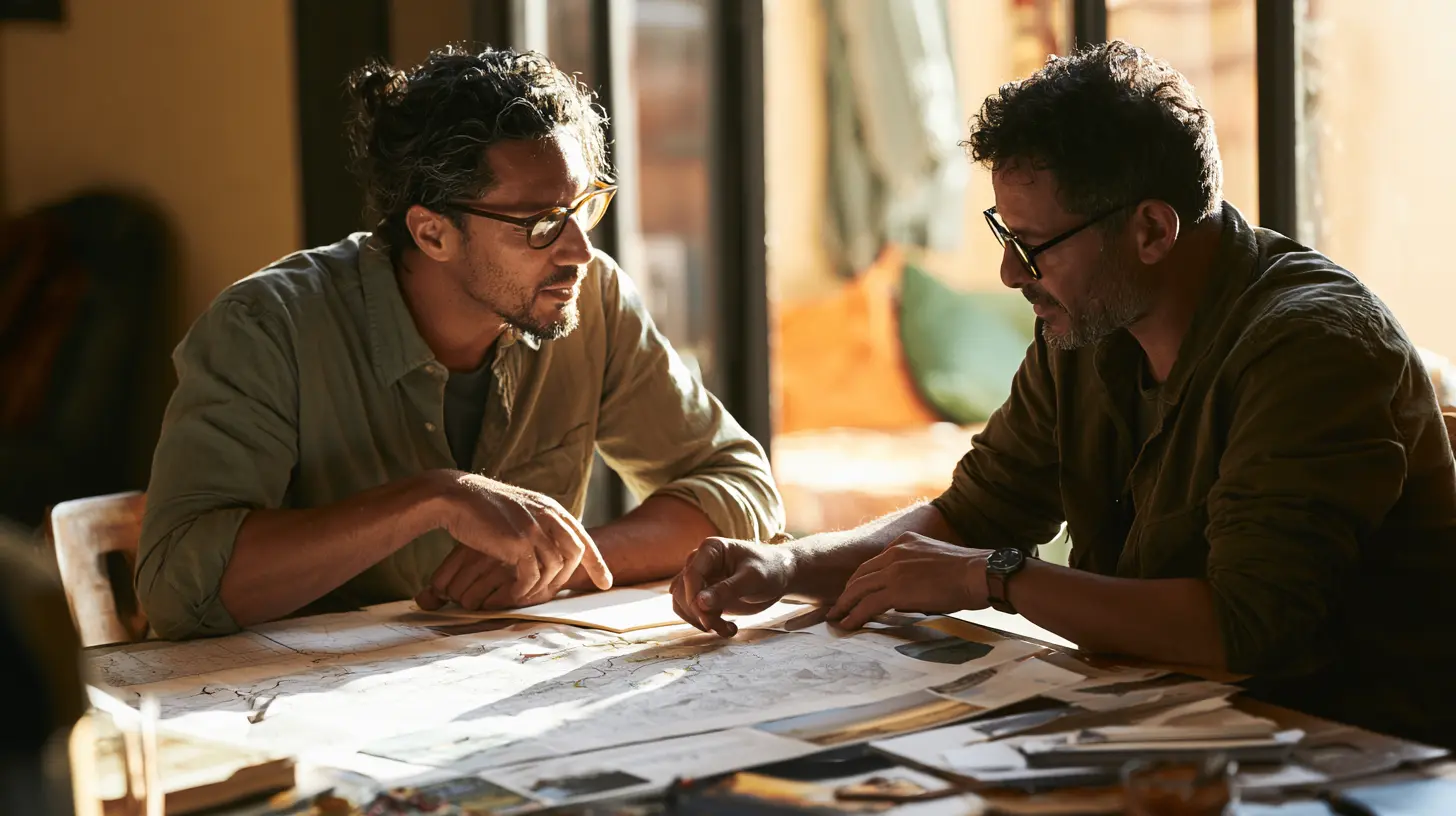
Before You Go
Mandatory visa with invitation letter, passport valid for 6 months, specific permits for South Sahara, travel insurance recommended.
1 article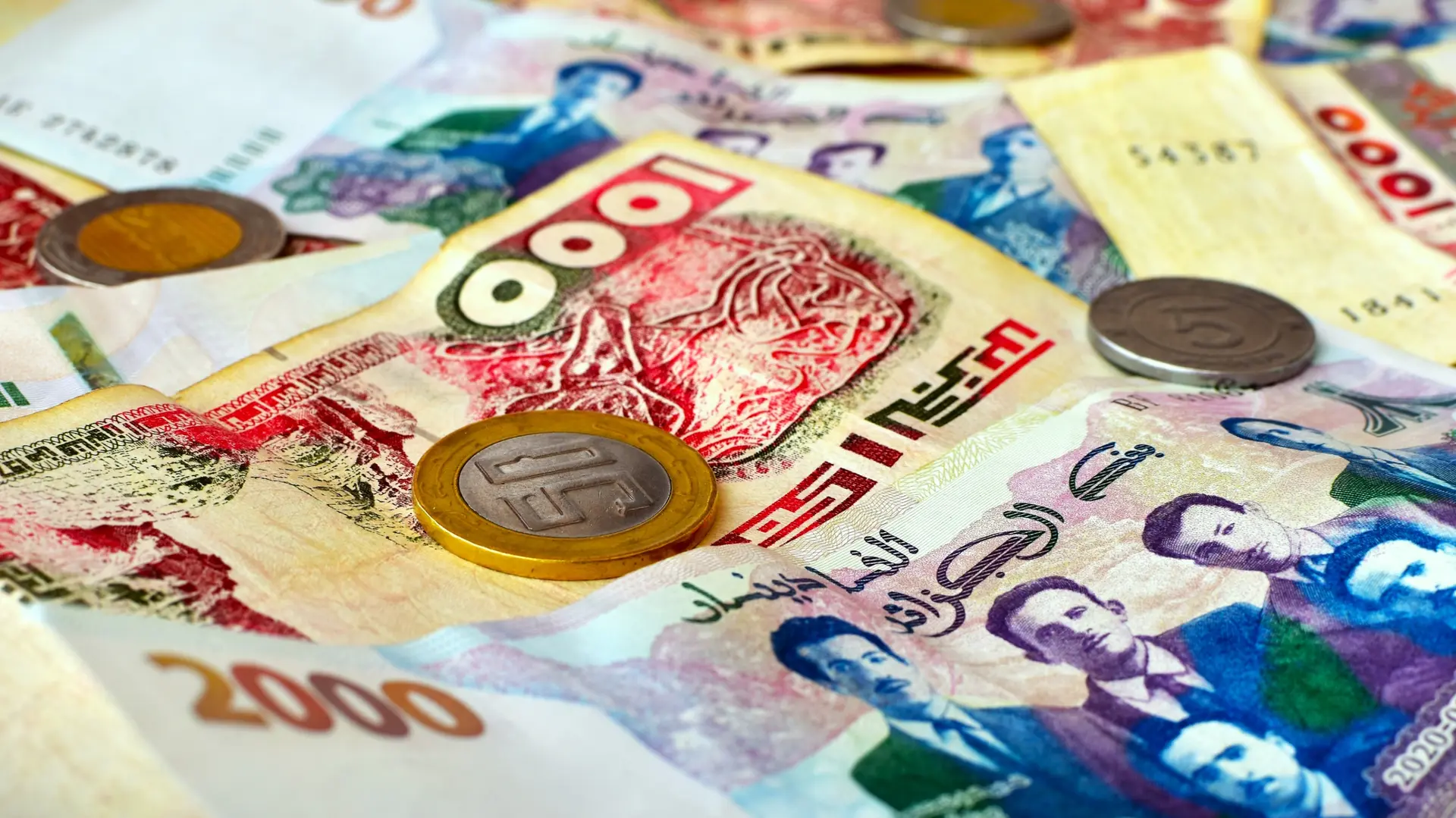
Budget Money
Algerian dinar non-convertible, exchange on-site only, cash dominant, budget range 90 to 140 euros per day and per person.
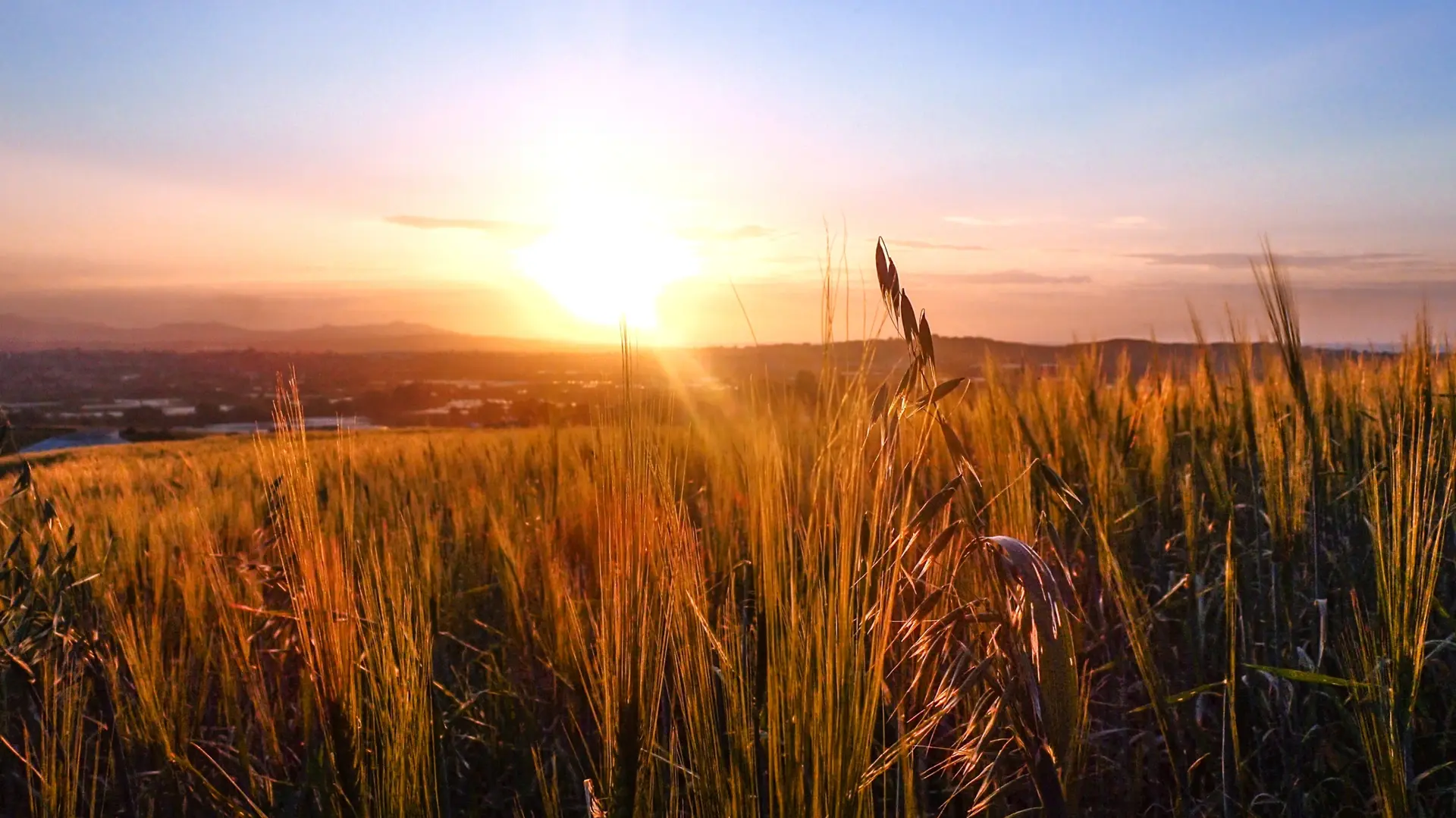
Climate Season
Pleasant Mediterranean north from April to June and September to November, Sahara accessible from October to March, very hot summers in the South.
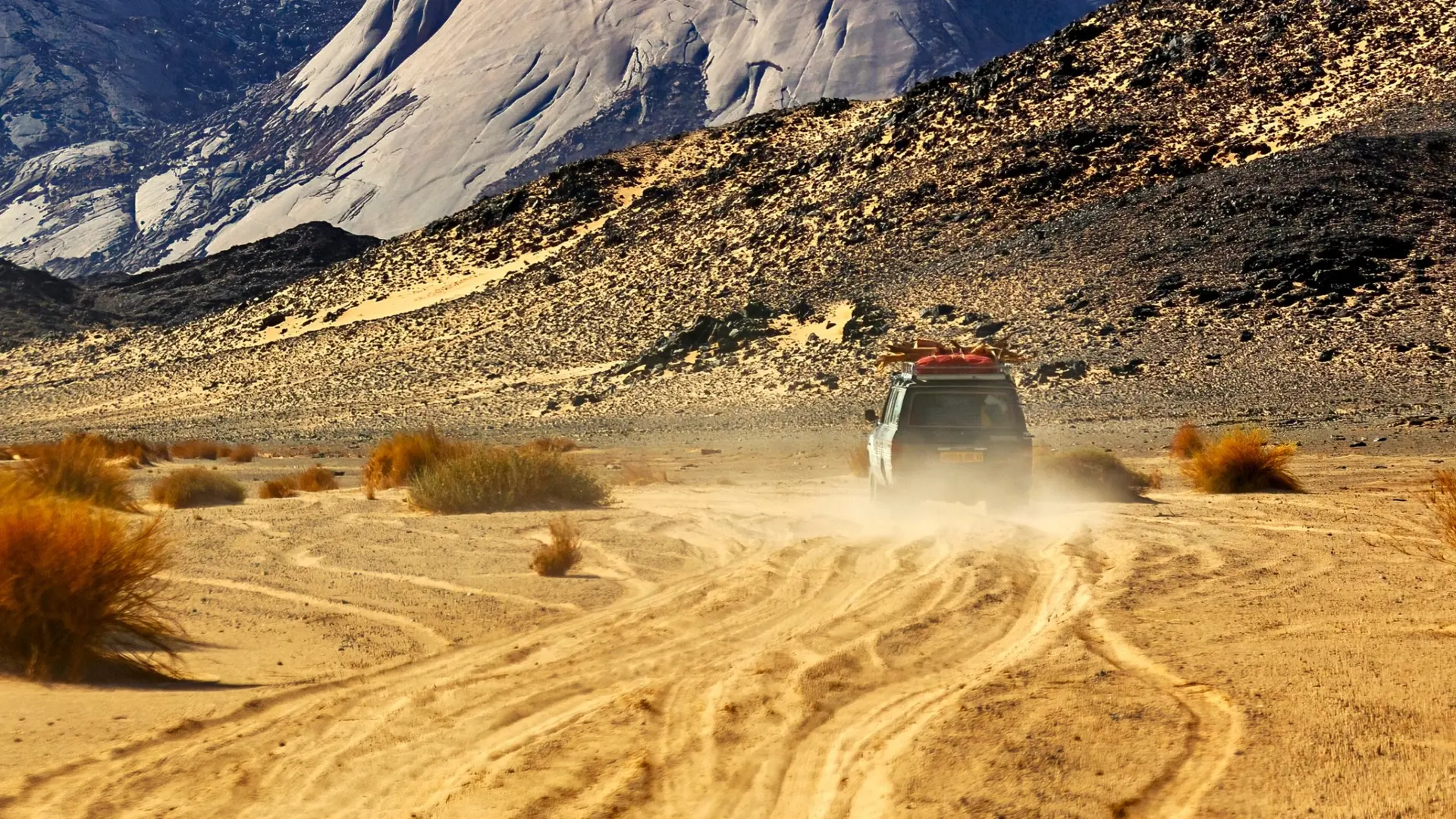
Transports
Domestic flights to reach the Sahara, 4x4 mandatory in the Hoggar and Tassili, decent roads in the North, recommended driver.
2 articles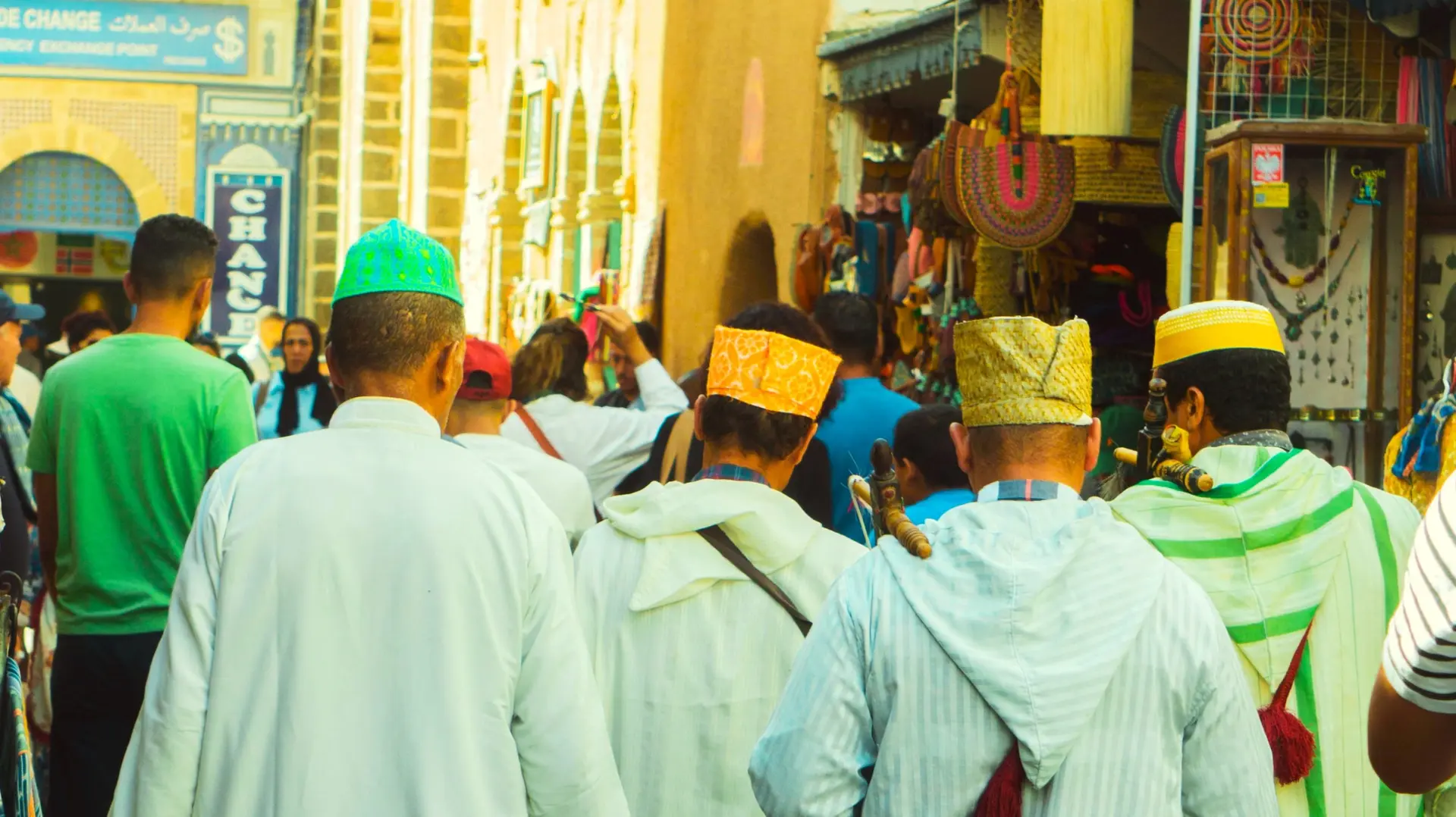
Culture
Muslim country, modest clothing away from beaches, strong hospitality, English widely spoken, lengthy greetings, photos with prior consent.
2 articles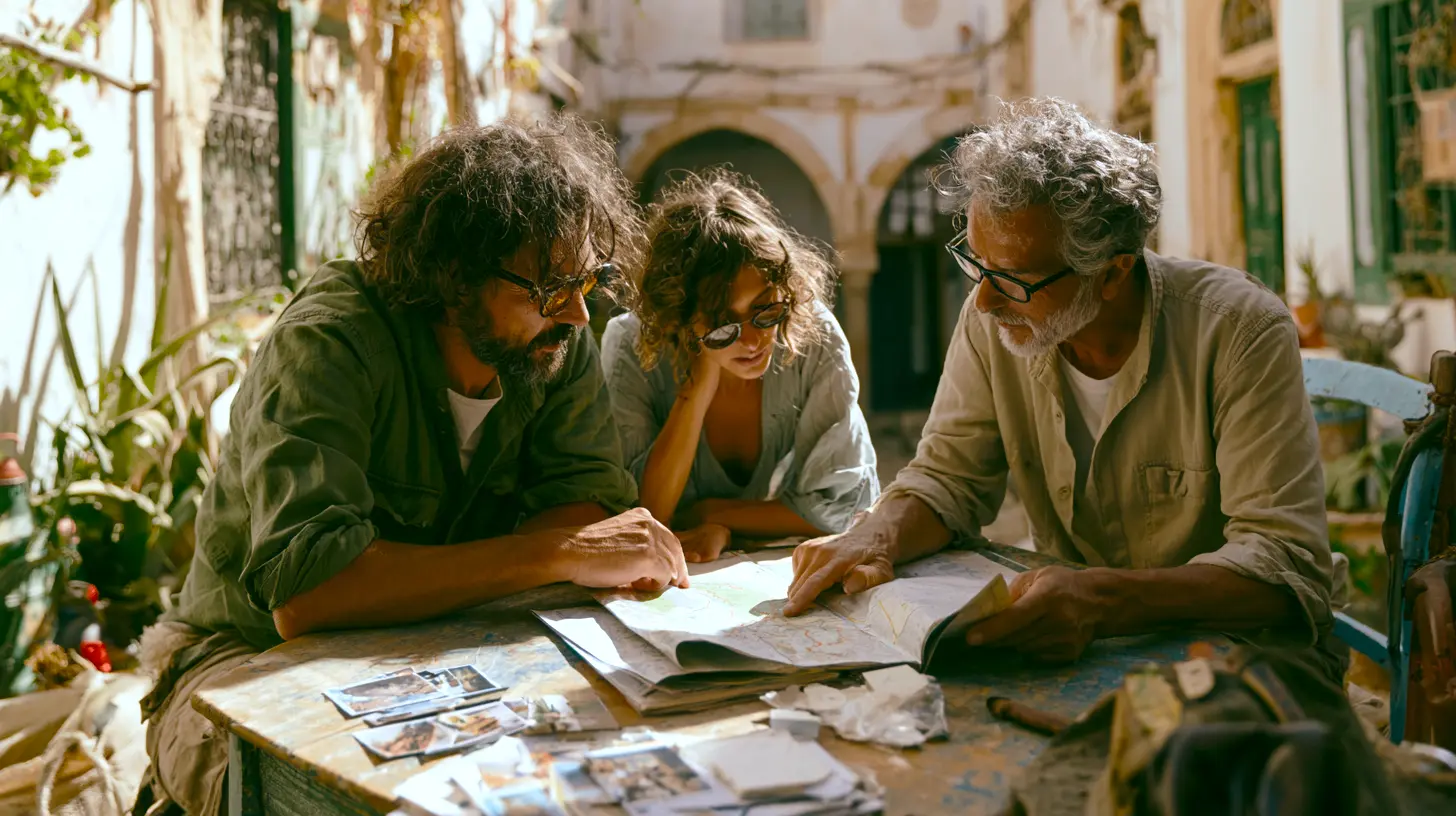
Useful Tips
Bottled water, Type C and F outlets at 230V, decent 4G connectivity in cities, good safety on circuits operated by our agency.
2 articlesAll practical guides
Search and filter among 7 articles


7 of 7 results
Frequently asked questions
The answers to the most frequently asked questions from our travellers.
Yes, a visa is mandatory for almost all nationalities, including French, Belgian, Swiss and Canadian citizens. You can obtain it from the Algerian consulate in your country of residence by submitting a file that includes an invitation letter, which our local agency will issue for you once your trip is confirmed. The short-stay tourist visa costs approximately 85 euros and allows for a 30-day stay. Processing takes 10 to 20 days, sometimes longer during peak consular season. Your passport must be valid for at least 6 months after your return date and have two blank pages. For the Saharan regions in the South, an additional permit is required, which we arrange for you.
No vaccine is mandatory to enter Algerian territory. We recommend staying up to date with routine vaccinations: DTP, MMR, pertussis. Depending on the length of stay and regions visited, hepatitis A and B, typhoid, and rabies may be advised, particularly for extended Saharan trips or rural contact. Malaria is not present in Algeria, so no antimalarial treatment is necessary. A consultation at an international vaccination center 4 to 6 weeks before departure remains the best approach. Also consider travel insurance covering medical evacuation, which is essential for excursions in the Hoggar or Tassili.
Excluding international flights, expect approximately 90 to 140 euros per day per person for a comfort tour package, including accommodation, driver-guide, vehicle, meals and site entries. Saharan circuits in 4x4 with bivouacs and an approved guide range from 150 to 200 euros per day due to logistics and permits. The country operates largely on a cash basis: plan to exchange your euros upon arrival at Algiers airport or at a bank, as foreign credit cards are rarely accepted outside major hotels. A tea in town costs 50 cents, a meal at a decent restaurant 8 to 12 euros, a night in an Algiers riad 60 to 90 euros.
It all depends on the regions. For the coastal North and Roman sites (Algiers, Tipaza, Djemila, Timgad), the best windows are April to June and September to November, with temperatures ranging from 18 to 26 degrees. Summer there is hot but windy, winter mild around 12 to 15 degrees. For the Sahara, Mzab, Timimoun, Hoggar, Tassili, the ideal season runs from October to March: days at 22-28 degrees, cool to cold nights at altitude. Avoid the South from June to September, when temperatures exceed 45 degrees. Spring remains our favorite season for combining the North and northern Sahara in a single trip.
The country is vast, and domestic flights are essential to save time: Algiers-Tamanrasset takes 2 hours, Algiers-Djanet 2.5 hours, Algiers-Ghardaïa 1.5 hours. Air Algérie and Tassili Airlines operate these routes daily. In the North, paved roads are decent, and we work with experienced drivers because local driving is heavy and signage is sometimes unpredictable. The train connects Algiers to Oran, Annaba, and Constantine, and is comfortable and economical. In central Sahara, a 4x4 with an authorized guide is mandatory—traveling alone is out of the question. Shared taxis exist but are not suitable for foreign travelers on organized tours.
The tourist areas we operate in—Algiers, the coast, Kabylie, Aurès, Mzab, Hoggar, Tassili—are safe and welcoming. Tourist police are present on major routes and at sites. Precautions are standard for any trip: watch your personal belongings in medinas, respect dress codes in rural areas, ask permission before taking photos. Some regions remain closed or are discouraged by embassies, particularly border areas with Libya, Mali, and Niger; we do not operate there. For the South Sahara, accompaniment by an accredited guide and registration with local authorities are systematic; we handle these procedures from Algiers.
Ready to travel to in Algeria?
Discover our tailor-made itineraries, designed by our local team. Each route adapts to your pace, your preferences and your travel season.
See our toursWe use cookies to improve your experience and measure our site's audience. You can choose what you accept. Learn more.