Assekrem
Assekrem
A high volcanic plateau of the Hoggar massif at 2,726 meters altitude, Assekrem is home to Charles de Foucauld's hermitage and offers a remarkable Saharan panorama.
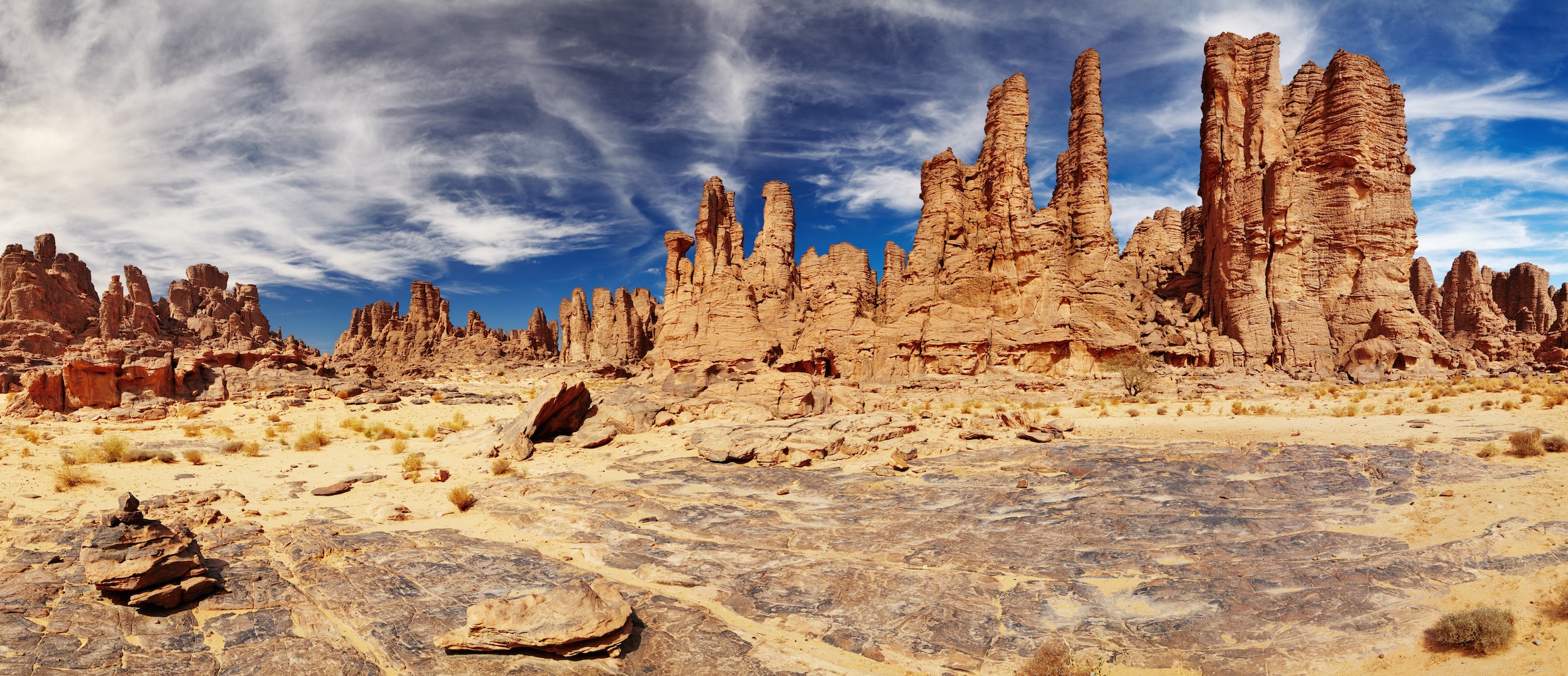
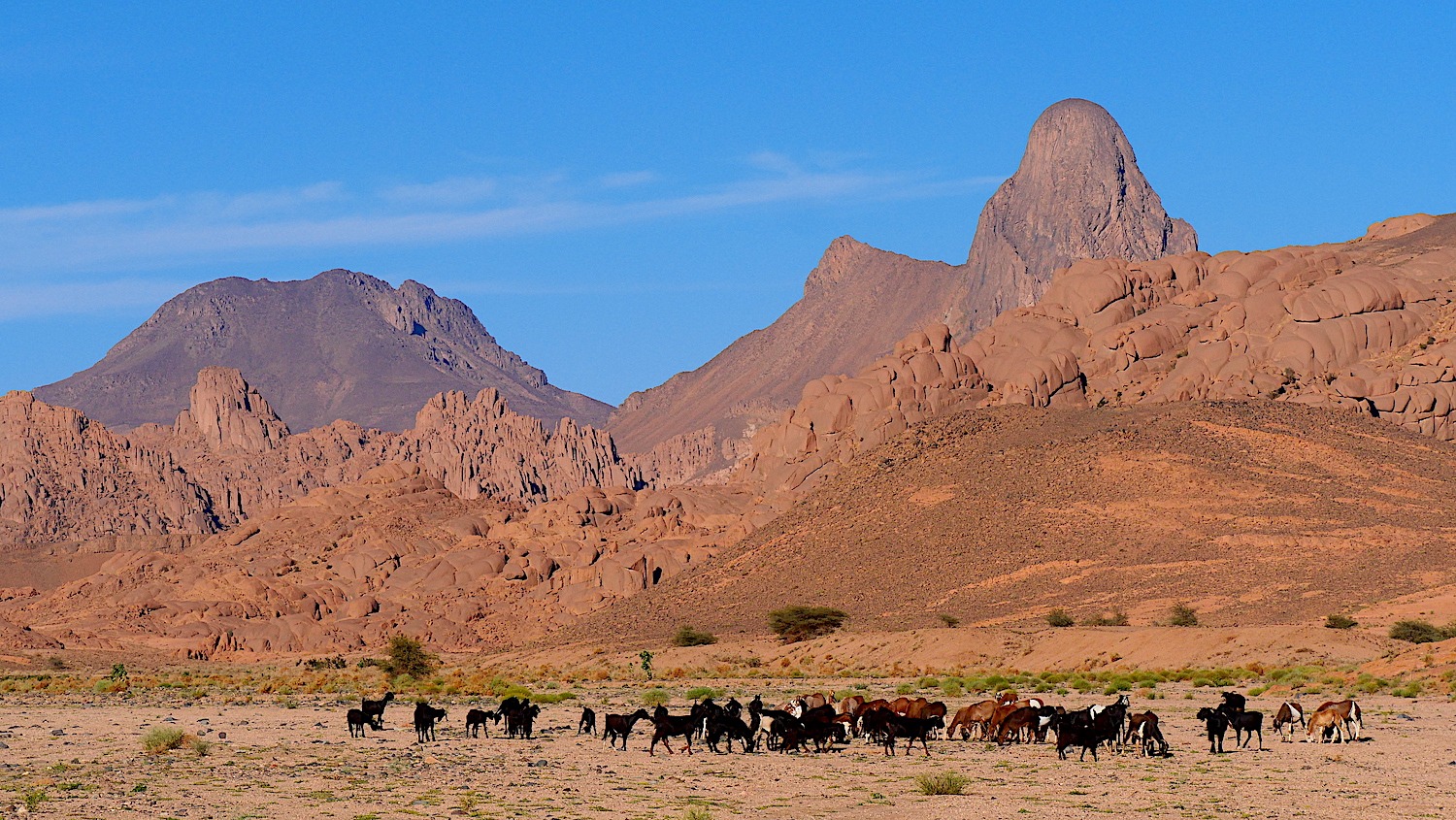
Assekrem is a high plateau of the Hoggar massif, located in southern Algérie, in the heart of the central Sahara. Rising to 2,726 meters altitude, it forms part of the Ahaggar Cultural Park and offers one of the most striking volcanic panoramas of the Algerian desert. The site is also associated with the memory of Charles de Foucauld, who established his hermitage there in the early twentieth century.
Why visit Assekrem
- A unique volcanic landscape formed approximately 20 million years ago, with basalt peaks and natural organ pipe formations.
- An exceptional high-altitude site for observing sunrise and sunset over the Hoggar.
- Charles de Foucauld's hermitage, a spiritual memorial isolated in the heart of the Sahara.
- A remarkably pure starry sky, with altitude and aridity limiting light pollution.
- A waypoint for travelers exploring the Hoggar massif from Tamanrasset.
History and geological formation
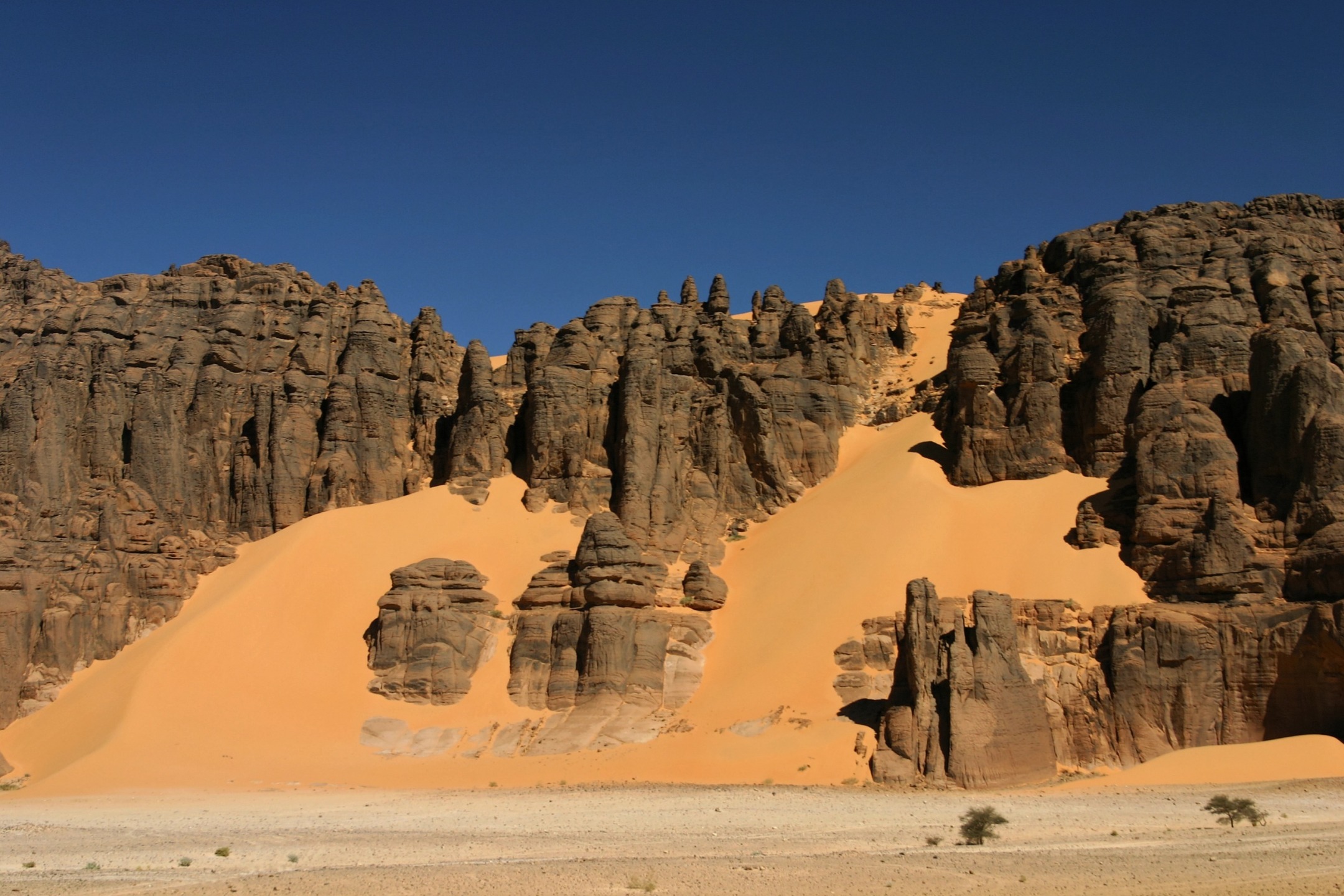
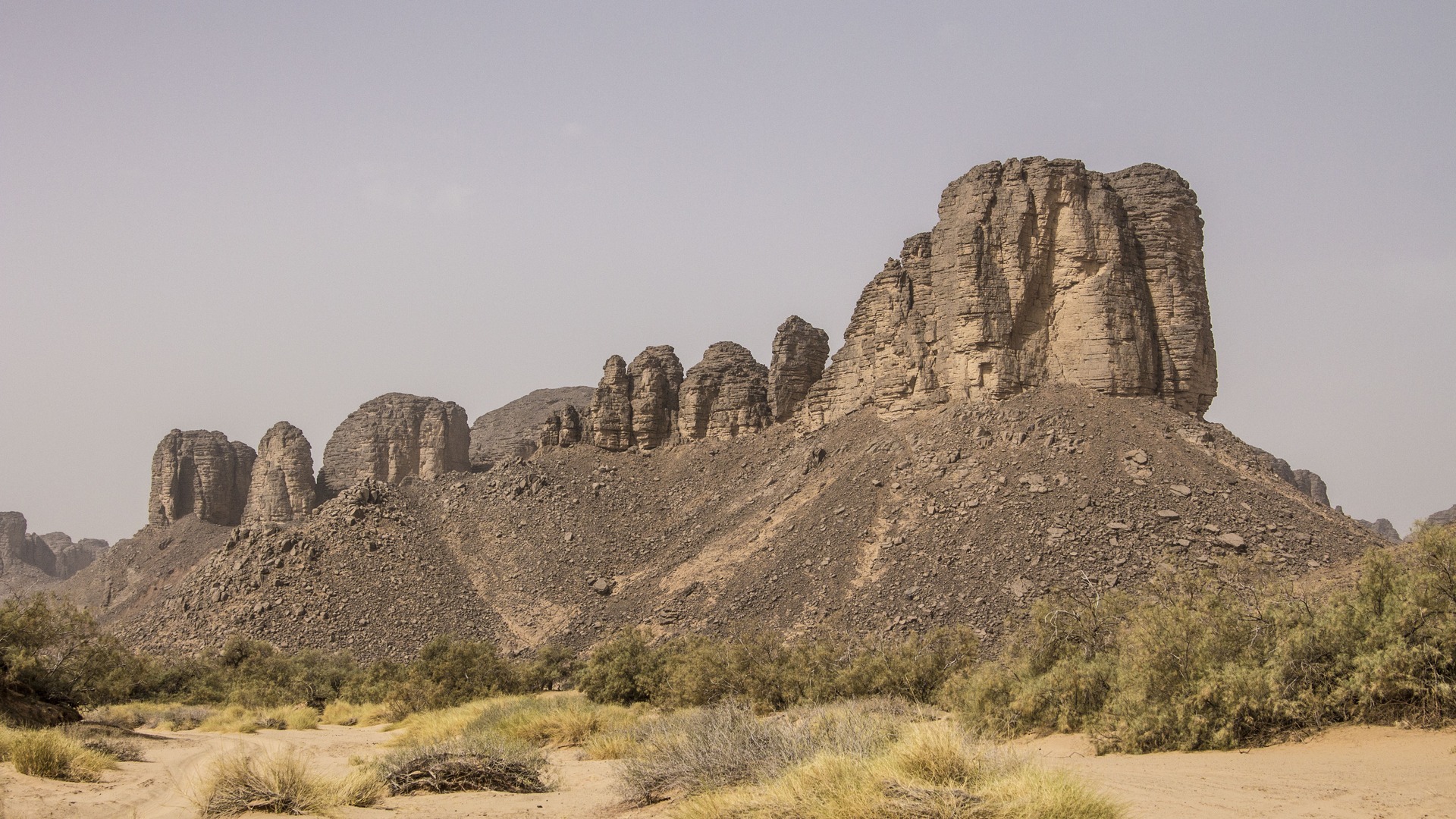
Assekrem belongs to an ancient volcanic complex. Its formation dates back approximately 20 million years, during periods of intense volcanic activity in the Hoggar. Erosion subsequently exposed the solidified lava conduits at the heart of ancient volcanoes: these are the basalt peaks and organ pipes that now dominate the plateau.
The site takes on new significance in the early twentieth century with Charles de Foucauld. A former officer turned priest, he chose the isolation of the Hoggar for his contemplative life. He established a first hermitage at Assekrem in 1910; the stone refuge still visible today was completed in 1911. After his death in 1916 in Tamanrasset, the place remained a spiritual landmark: the Little Brothers of Jesus, a congregation inspired by his teachings, maintain a presence there, sometimes intermittent depending on the season.
What to see and do on the plateau
The volcanic panorama
From the summit, your gaze sweeps across dark peaks rising above lava plateaus. Colors shift from basalt black to mineral ochres and reds depending on the time of day. An orientation table installed at the highest point helps identify the main Hoggar summits visible on the horizon.
Charles de Foucauld's hermitage
The hermitage, built with dry stone, comprises a small chapel and the cell where the hermit lived. Visits are made respectfully, as it remains a space for prayer. The brothers present welcome visitors and explain the site's history when conditions permit.
Sunrise and sunset
The plateau is renowned for its dawn and late afternoon light. Most travelers climb the summit before dawn, then return in late afternoon. The contrast between the volcanic rock and the Saharan sky is particularly striking.
Night at the refuge
The Assekrem refuge offers basic accommodation (simple dormitories, basic facilities). The meals served feature traditional Tuareg cuisine. A night at altitude allows for star-gazing under remarkable conditions.
Practical information
- Altitude: 2,726 m, bring warm clothing year-round.
- Accommodation: refuge on-site, limited capacity, basic comfort.
- Guidance: a local guide and 4x4 vehicle are necessary; agencies based in Tamanrasset organize the excursion.
- Status: site located within the Ahaggar Cultural Park, respect regulations and guide instructions.
- Physical fitness: steep hike from the base of the plateau to the summit, expect approximately 30 to 45 minutes of climbing.
When to go
The climate is desert-altitude, marked by strong temperature swings. Temperatures can reach 40°C in summer during the day, and drop below 0°C on winter nights. Rainfall is minimal, around 25 mm annually, concentrated as brief summer storms.
The best period runs from October to April, when daytime temperatures are bearable and skies are generally clear. Nights remain cool to cold: a sleeping bag or thermal clothing is essential.
How to get there
The starting point is Tamanrasset, capital of the Hoggar region, accessible by plane from Algiers. Assekrem is located approximately 80 km south of the city. The route follows rough tracks for much of the journey: expect generally 2 to 3 hours by 4x4, longer depending on track conditions and season. The excursion typically takes two days with one night at the refuge.
What to see in the region
- Tamanrasset: gateway to the Hoggar and logistics base for exploring the massif.
- The Amadror salt flats: vast salt expanse east of the Hoggar, a historic stop on Tuareg caravan routes.
- Saharan wildlife: to understand the animal life that persists in these extreme environments.
- Tassili n'Ajjer National Park: another major Saharan site in Algérie, UNESCO-listed for its rock paintings.
Frequently asked questions
Frequently asked questions
Planning your trip
Assekrem is best discovered as part of a circuit through the Hoggar, complementing Tamanrasset and, depending on your itinerary, Tassili n'Ajjer. To organize your custom-made stay, consult our trips to Algérie.
Interested in this visit?
We can include it in your personalised itinerary.