Roman Algeria the oases of the Erg Occidental Oran and the M'zab
From the red sands of Timimoun to the mosaics of Djémila, Algérie unveils a thousand years of history between Mozabite oases and Roman cities.
Duration
15 days
Ideal seasons
Feb, Mar, Oct, Nov, Dec
Style
Guided tour
Comfort
classique
Travelers
Couple, Solo, With friends, senior, groupe
The spirit of travel
Algeria, a country of contrasts, located in North Africa, covers an area of 2.4 million km². Long borders of 7000 km and six neighboring countries. To the north, the Mediterranean Sea bathes 1200 km of coastline, to the south the vast and immutable Sahara extends over nearly 2 million km².
Algeria's relief is composed of four main features: the coastal chains of the Tell, a series of plateaus and high plains, a southern mountain band, the Saharan Atlas, an extension of the high Moroccan Atlas, and the Saharan region with its mountainous, sandy and basaltic massifs.
Algeria benefits from a Mediterranean climate and winters are mild, but from north to south, there are in fact four climates; humid, subhumid, semi-arid and continental desert.
Through this journey we will discover all this diversity that makes Algeria a continent country.
The stages of your journey
Highlights
Day-by-day itinerary
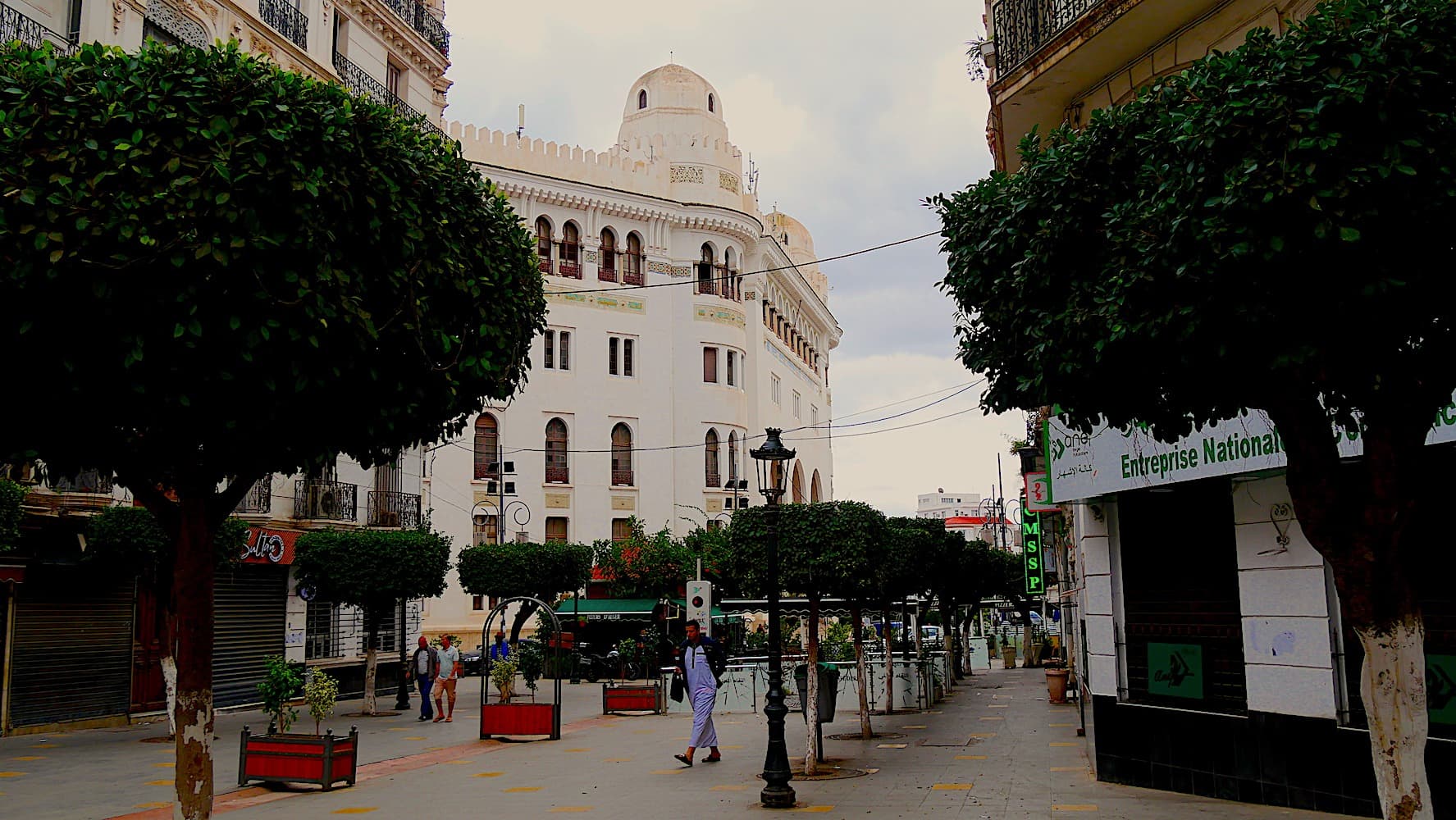
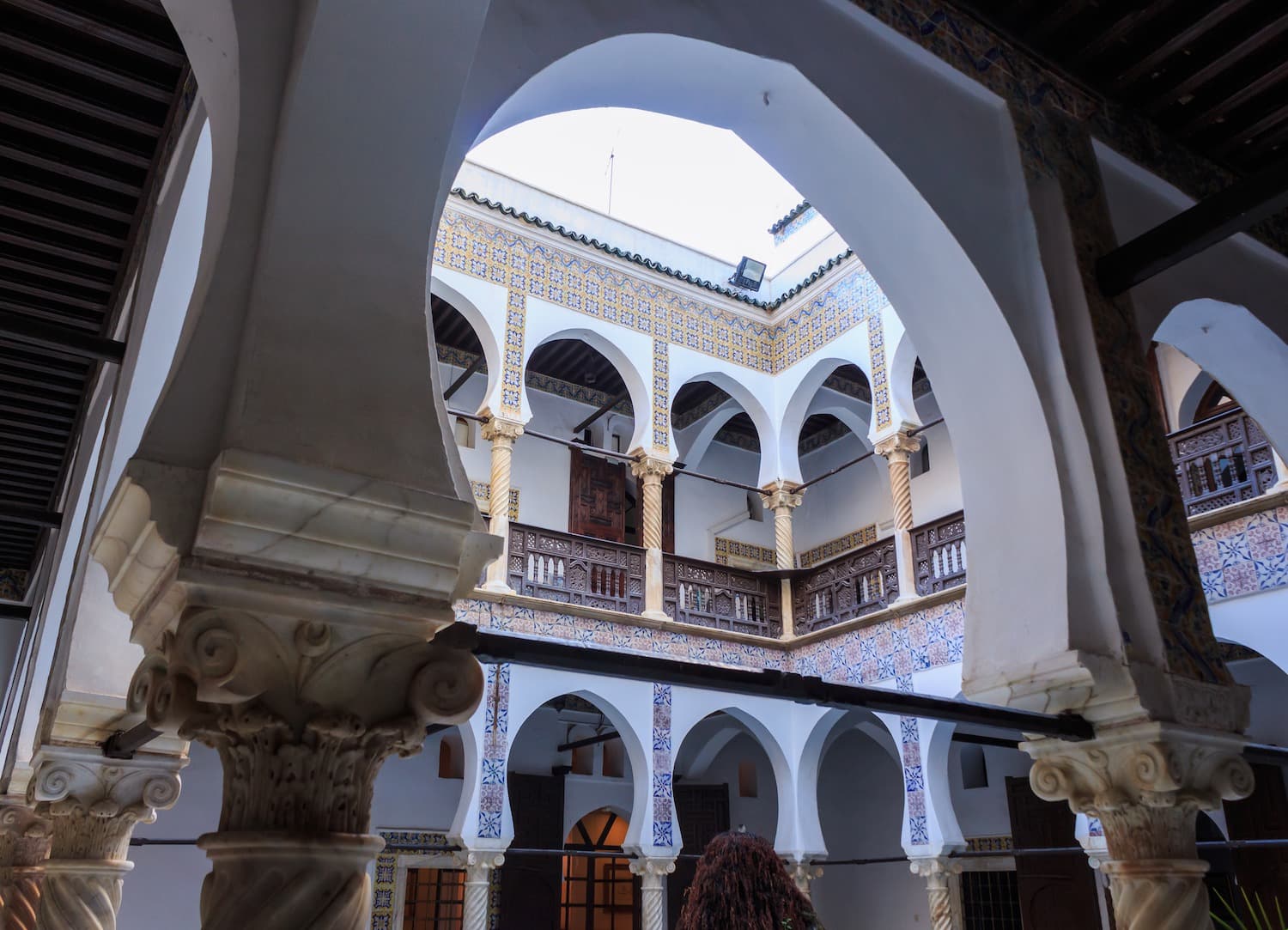
The Casbah of Algiers and Our Lady of Africa
Visit of the Casbah, the old Medina of Algiers, nicknamed "Al Bahdja" (The Radiant) or "The White" by both Algerians and French. Algiers is the capital of Algeria and the largest city in the country, with nearly five million inhabitants. The agglomeration of Greater Algiers accounts for 10% of the Algerian population and ranks first among the most populated cities in the Maghreb.
The Casbah was built in the 10th century. We will begin our visit with the Citadel (the palace of the Dey) or Dar El Soltane. Starting with this citadel and the century-old house (by architect Léon Claro), we will cross the Casbah through its alleyways to discover the best panoramic viewpoints over Algiers bay.
On the program: visit of the Dey Mosque, the Janissaries Club and meeting with craftspeople (ceramicist, cabinetmaker, etc.). We will also walk through the alleyways where Gillo Pontecorvo's film The Battle of Algiers was shot, released in 1966. The visit will continue with the mosque and fountain of Sidi Mohammed Chérif, the Ali la Pointe museum, the market of the Synagogue Mosque, the outskirts of the Ketchaoua Mosque, and finally the Mustapha Pacha museum. The duration of the visit is 3 to 4 hours maximum, depending on the group's pace.
Lunch with a traditional meal at a guesthouse table in the Casbah.
Continuation of our visit in the afternoon through Martyrs Square. Visit of the Palace of the Raïs "Bastion 23" (Cultural Arts Center), the only testament to the extension of the Casbah to the sea. Then, we will gain height (vehicle transfer) to visit the Basilica of Notre-Dame d'Afrique. If the sky is clear, we will probably be able to witness a magnificent sunset.
Return to downtown. Dinner at leisure and overnight at the guesthouse.
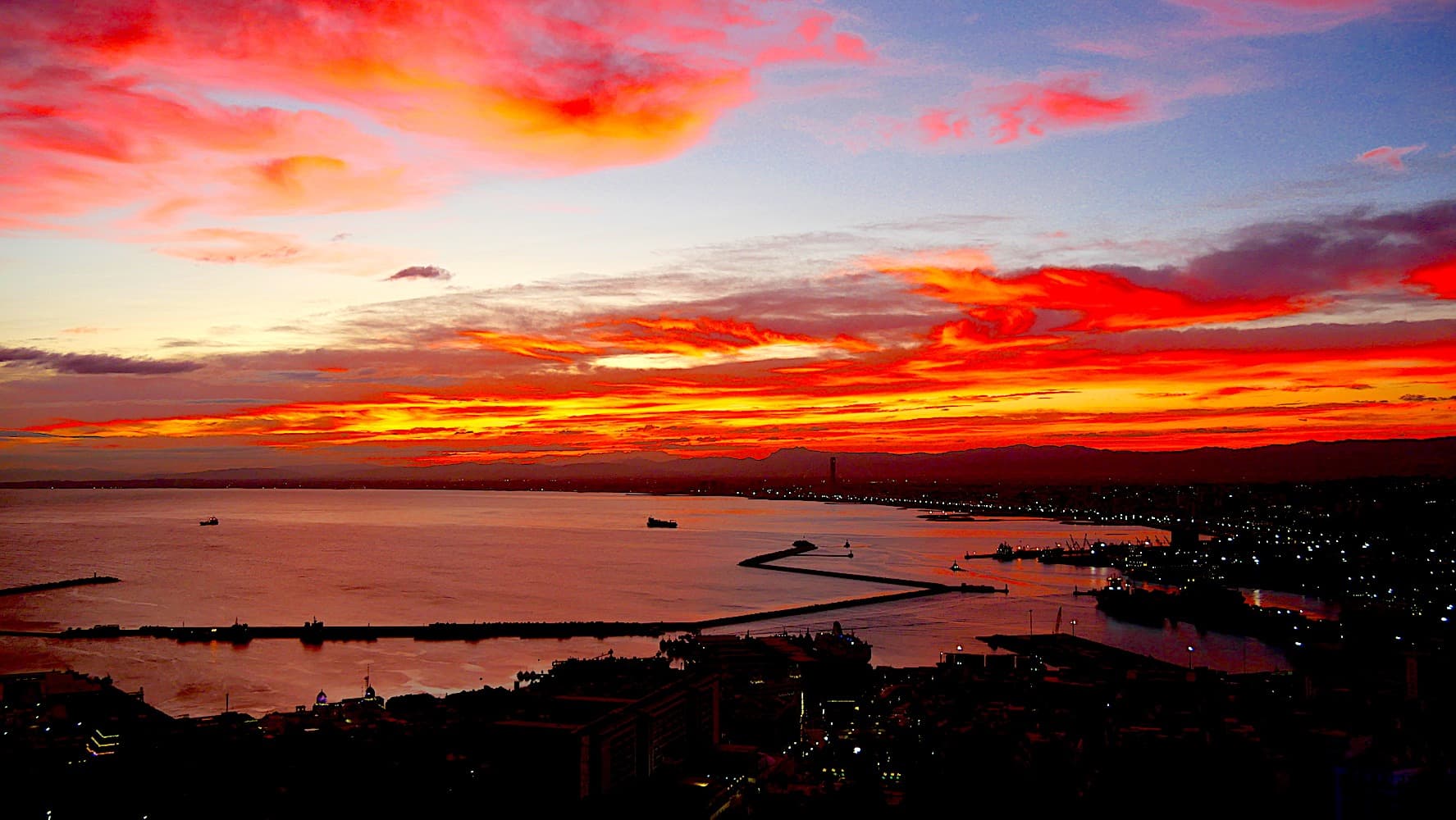
From the Mediterranean to Gourara, the land of sands
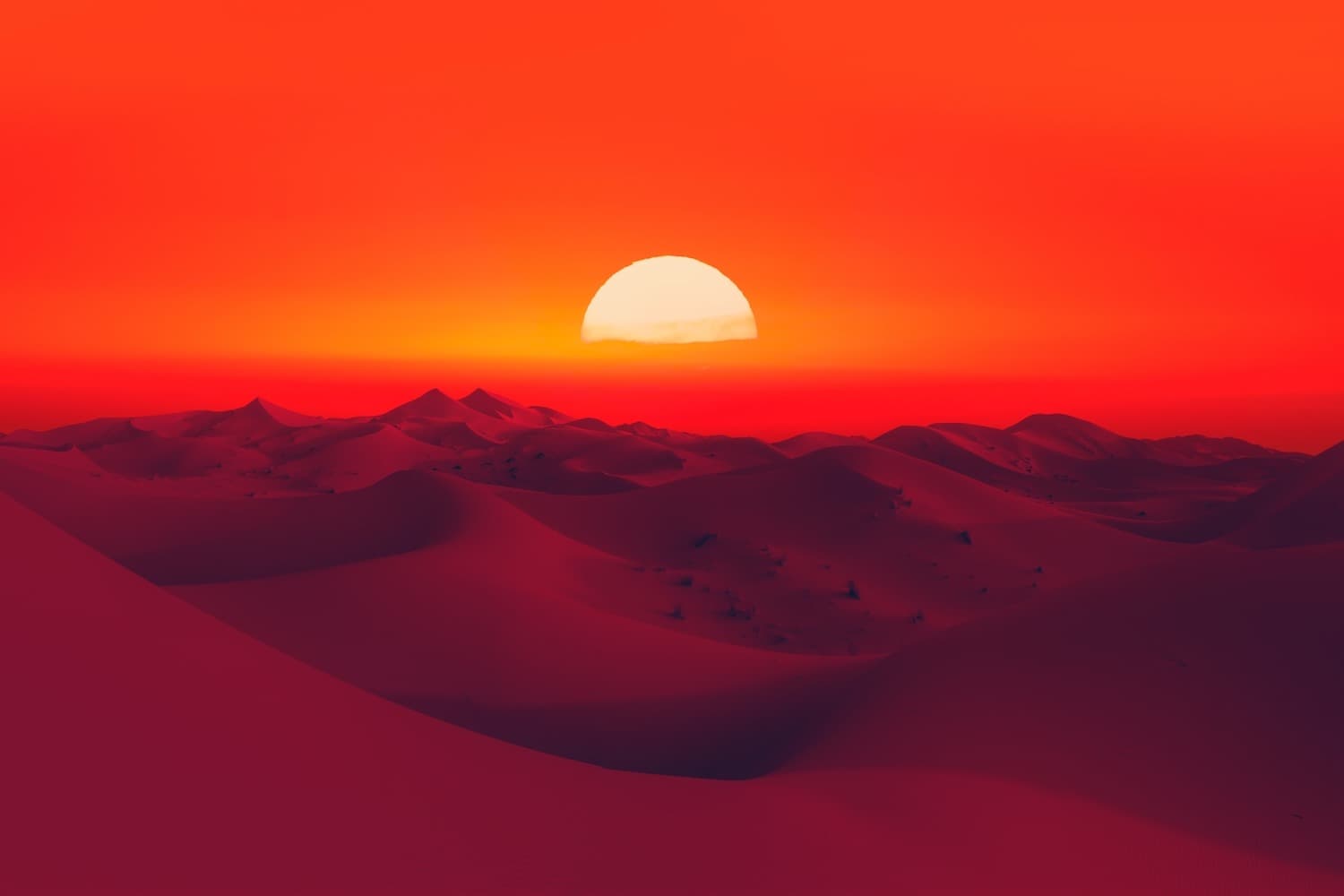
Timimoun the Flamboyant in the Heart of Tigourarine
We dedicate our day to the discovery of Timimoun and its surroundings. Timimoun, called the red oasis for the red ochre color of the earth and houses with neo-Sudanese architectural style with African reminiscence, is a place of fascination in the Sahara. Discovery of the city of Timimoun, the old Ksar, its palm grove.
Timimoun stands out for its contrasting urban planning : on one side, the ksar, the palm grove and the Foggaras, witnesses to tradition; on the other, the colonial city and modern extensions, marked by neo-Sudanese style. The ksar is a fortified village that still houses an active and dynamic population.
In the afternoon visit to the dried salt lake "Sebkha". Passage through Ksour with defensive architectural character such as Ighzer, Ouled Saïd and Aghlad. The palm grove is famous for its date palms, which produce tasty and varied fruits. The Foggaras irrigation system is an ingenious system that allows underground water to be conveyed by drainage over long distances, through wells and tunnels. They ensure the irrigation of food crops and orchards, and are essential to the life of the oasis. The Foggaras are so important that they bear the names of eminent religious figures, who have granted them their blessing.
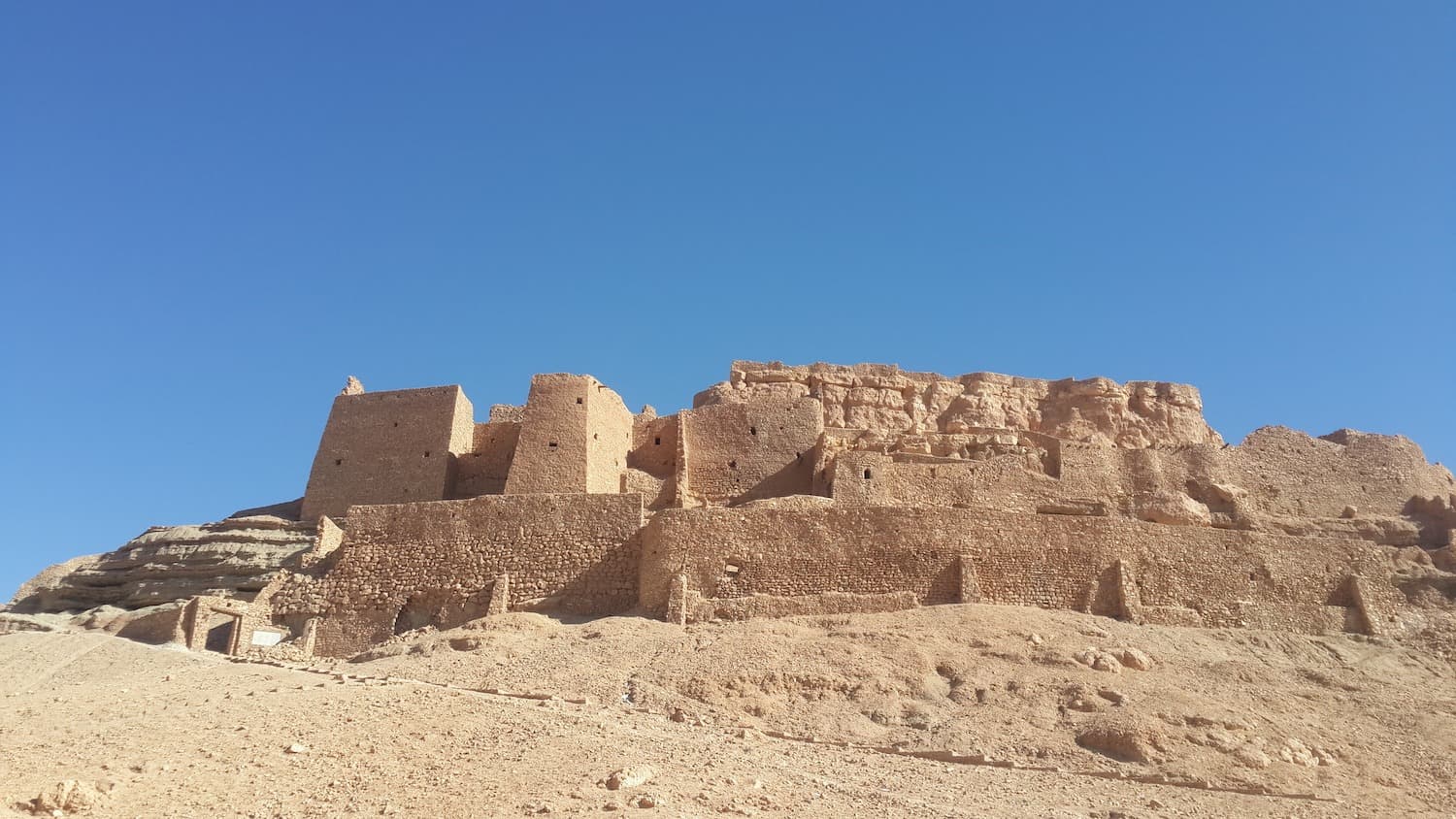
El Ménia the fortified village Ksar El Goléa
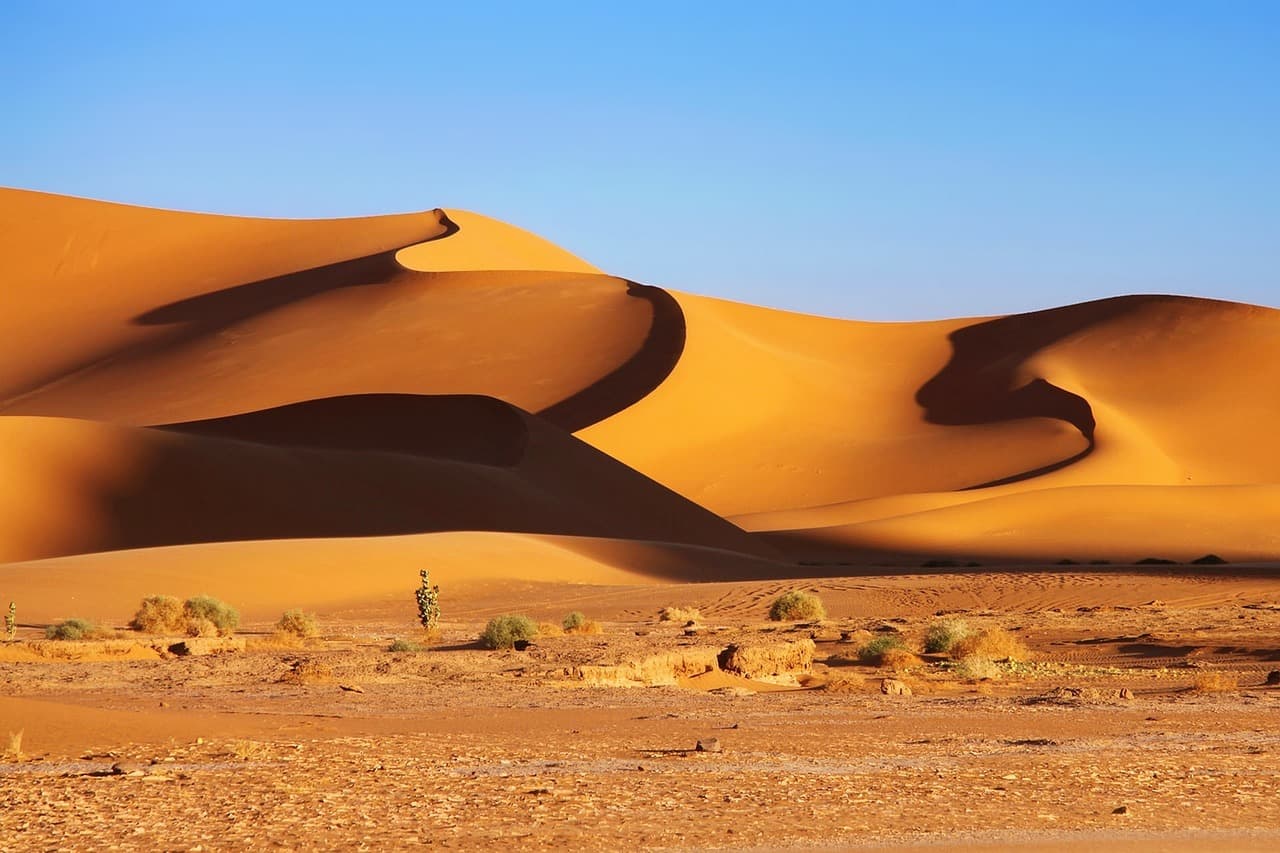
Departure towards El Ménia. We are now on the picturesque road connecting Timimoun to El Ménia, crossing unforgettable desert landscapes, the sands of the Gourara and the austere regs of the Tademaït plateau. This journey immerses us completely in the splendour and mystery of the desert. We now join the Trans-Saharan highway, ready to continue this fascinating adventure. Arrival in El Ménia, accommodation in a guesthouse.
From Taourirt the disappeared city to the M'zab valley
El Ménia offers an immersion in Saharan history. Its Ksar, an example of traditional architecture, includes the caravanserai at the foot of the hill, the village on the slope and the watchtowers. They evoke the communal life of the desert, blending commerce and security.
The Saint Joseph church from the 1930s and the tomb of Charles de Foucauld from 1929 are important landmarks. A guide accompanies visits, revealing the authenticity of this oasis steeped in Saharan tradition. Every corner, building and monument tells a story rich in resilience and culture in this oasis.
The M'zab Valley, a Timeless Civilization
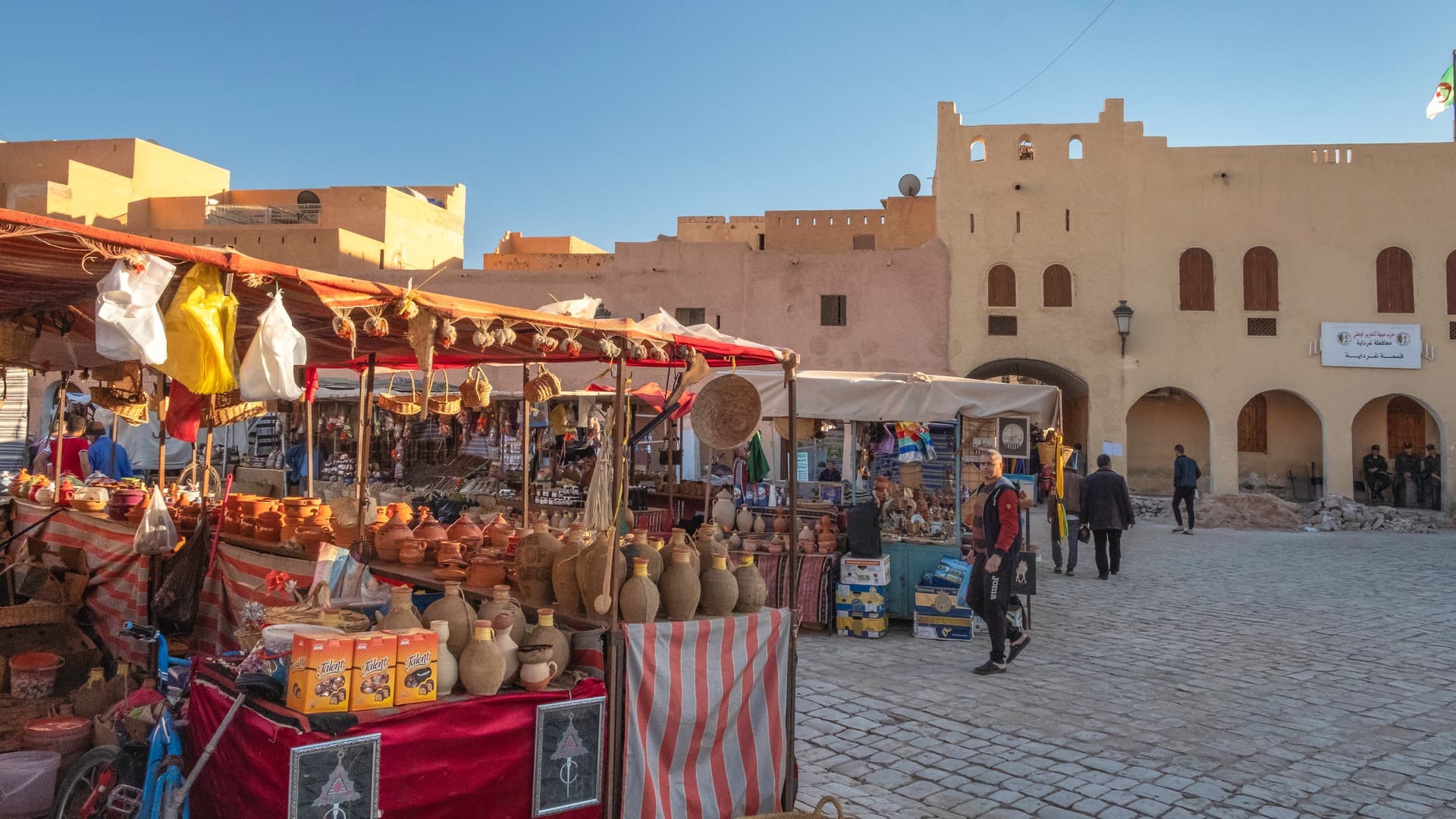
Discovery of the city of Ghardaïa, the marketplace, guided tour of the holy city of Beni Izguen. Admirable architecture, an unparalleled culture, a society that is viscerally and deliberately commercial, a weaving that is a vibrant and colorful feminine symbol expressing the unmatched civilization of the Mozabite pentapolis.
We discover the fascinating M'Zab region, where the plateau served as a refuge for Ibadite Berbers about a millennium ago. They built ksours of singular beauty there. In this system of valleys organized around the M'Zab wadi, comprising Ghardaïa, Beni Izguen, El Atteuf, Bou Noura, and others. All these cities perched on hills are distinguished by their sober and charming Mozabite architecture.
The palm groves in the region are true garden-cities, offering refuge during intense heat. Their survival depends on an ingenious system using deep wells and dams along the wadis to maximize the use of rare rainfall. Branching canals then ensure equitable distribution of water within the oases.
Transfer to Ghardaïa airport and flight to Constantine. Arrival in late afternoon in Constantine, welcome and transfer to the hotel.
From Cirta to the Pompeii of North Africa
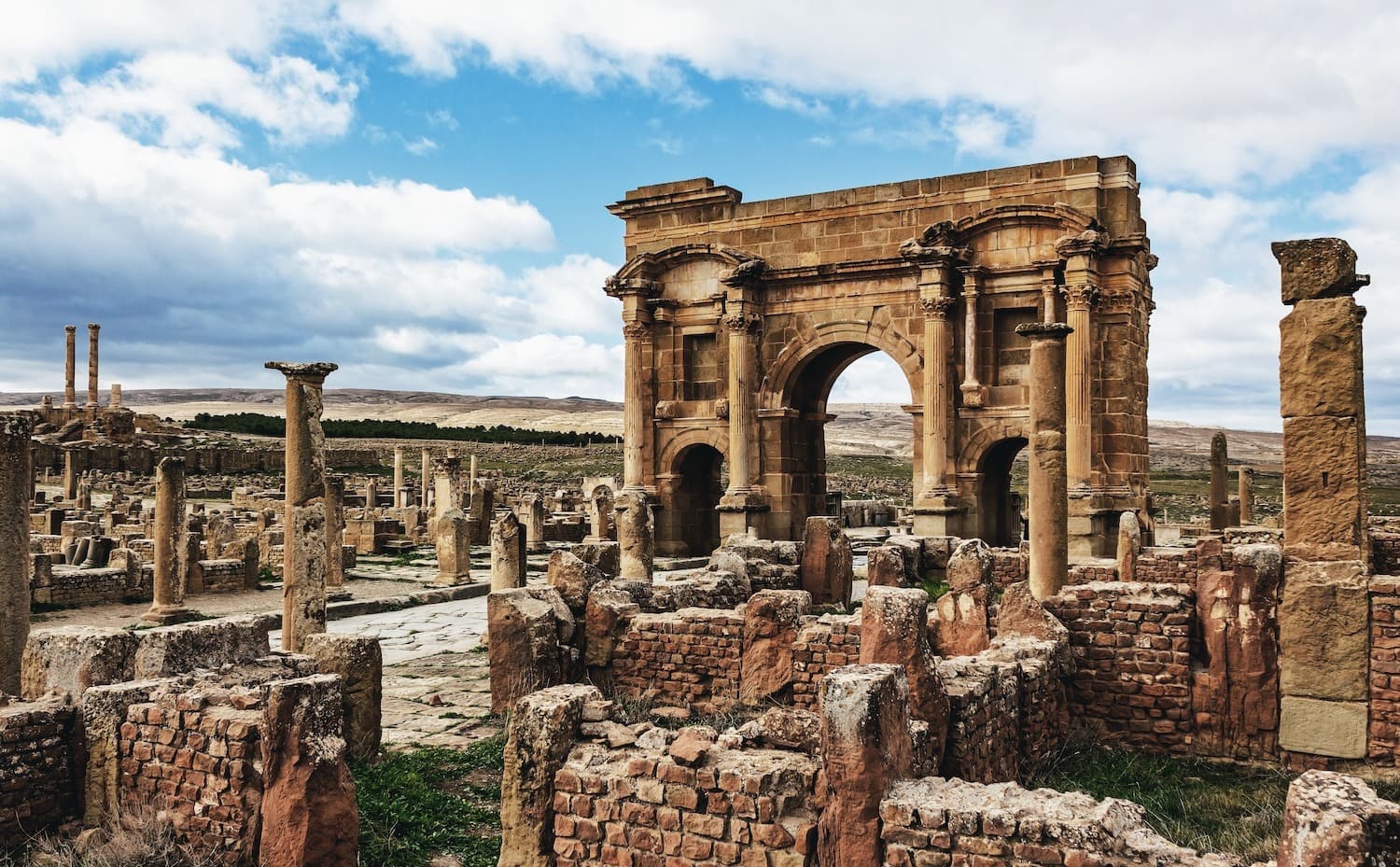
Morning departure on an excursion for the discovery of the ancient city of Timgad, located south of Constantine. Timgad, also known as Thamugadi, is an ancient Roman city located in northeastern Algérie. Founded by Emperor Trajan in 100 AD, Timgad is an example of Roman urban planning. The city was built as a colony for veterans of the Roman army, and its layout is based on a typical orthogonal scheme of Roman urbanism.
One of the most remarkable features of Timgad is its checkerboard layout, with rectilinear streets that intersect at right angles. The city was equipped with numerous impressive structures, including a triumphal arch dedicated to Trajan, a theater, a forum, baths, temples and richly decorated houses. The entire architectural complex was designed to reflect the grandeur and power of Rome.
Timgad flourished for several centuries as an administrative, commercial and cultural center of the region. However, over the centuries, the city was abandoned. It was rediscovered in the 19th century, making it one of the best-preserved Roman archaeological sites in the world.
Today, Timgad is listed as UNESCO World Heritage. We wander through its well-preserved ruins which offer a fascinating glimpse into life in a flourishing Roman city, with streets, buildings and sculptures that bear witness to Roman engineering and art.
Tiddis a masterpiece of Roman architecture
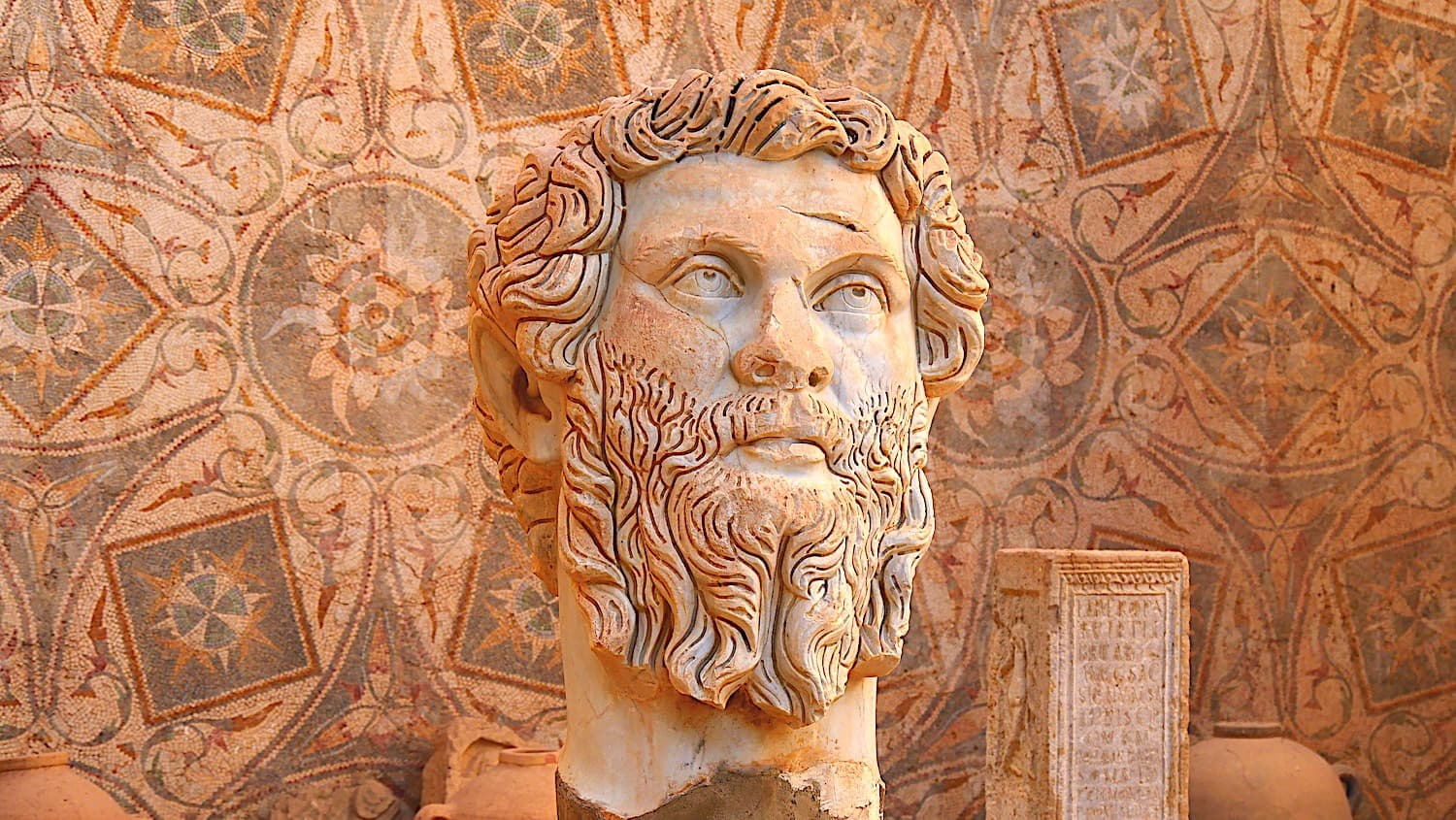
Located 30 kilometers from the ancient Cirta, present-day Constantine, the Roman city of Tiddis stands on a rocky pedestal, making it an impregnable fortress. If at the beginning of Roman occupation, the Republica Castalli Tidditanorum was a military camp, the barracks would quickly transform into a charming city that would undergo several architectural modifications.
Roman urbanism in Tiddis is a masterpiece of virtuosity and exceptional feats that we can observe through its still well-preserved remains. The Romans also exploited clay, which the region is very rich in, which brought wealth to Tiddis. This archaeological site bears the imprint of several civilizations that succeeded one another in North Africa, including Berber, Punic, Roman, Christian and Muslim civilizations.
Return to the city of Constantine at the end of the day.

From Cuicul the Roman to Djémila a melting pot of civilizations
Djémila, which means "the beautiful" in Arabic, is an exceptional archaeological site that bears witness to the splendor of Roman civilization in North Africa. Perched at 900 meters above sea level, in a mountainous region, it overlooks a magnificent landscape, where the green of olive trees mingles with the red of the earth. It was the inhabitants who gave the name Djémila to the ancient Roman city of Cuicul, its original name, founded in the 1st century after Christ and prosperous until the 5th century.
The archaeological site of Djémila possesses remarkable monuments, which illustrate the adaptation of Roman architecture to a particular environment. There you can admire a theater, two forums, temples, basilicas, triumphal arches, paved streets and houses decorated with mosaics. You can also discover remains from the Christian period, such as a basilica and a baptistery. Djémila is a place steeped in history and culture, which reflects the diversity and richness of Algérie's heritage.
Djémila has been classified as a UNESCO World Heritage Site since 1982, for its unique character and exceptional preservation.

From the Highlands of Sétif to Radiant Oran
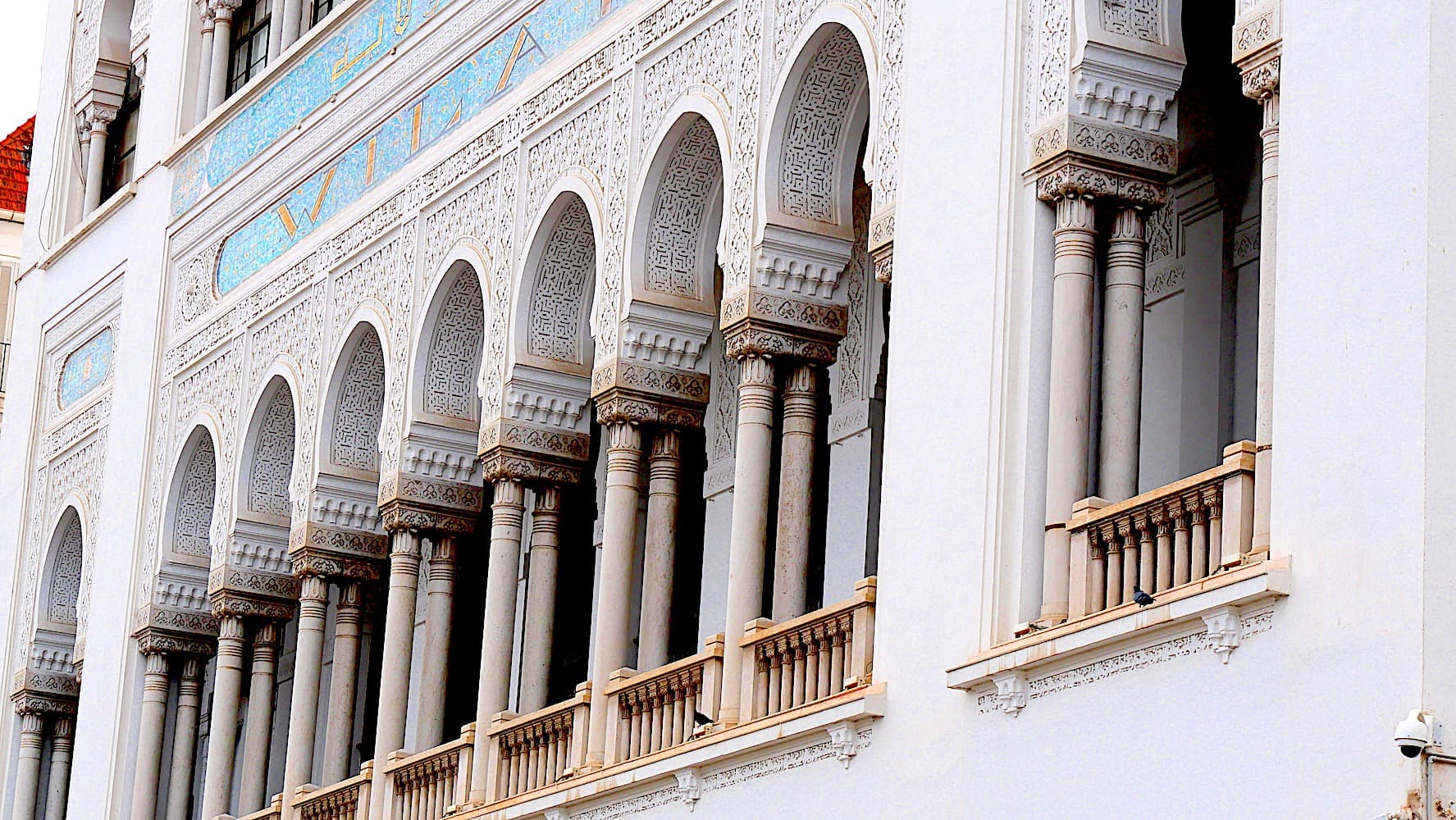
Transfer to Sétif Ain Arnat airport. Departure to Oran. Arrival in Oran, city tour: Oran Town Hall square with its two lions, Oran theater, the seafront with its neo-Moorish architecture by Albert Balu, the Santa Cruz chapel (overlooking the city), the Spanish quarter with the El Bey palace, and the Hassan Bacha mosque (built in 1796). Also visit the Zabana National Museum. Lunch in the city. Dinner and overnight at the hotel.
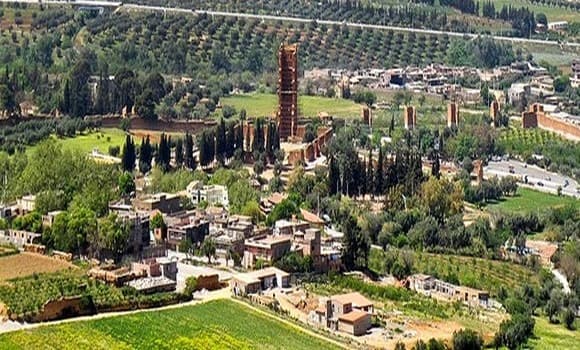
Tlemcen, formerly called Tagrart, founded by the Almoravides
Departure in the morning towards Tlemcen, passing through the small towns of Orania.
Arrival in Tlemcen. Discovery of El Méchouar, the Zianide district. The Béni (descendants of) Zïane are a Zenete Berber tribe originating from the Aurès. According to Ibn Khaldoun, they are Zenetes of the second generation, just like the Béni Tugin and the Béni Rached notably. More precisely, the Béni Zïane are a clan of the Zenete tribe of the Béni Abd-el-Wad or Abd el-Wâdides, themselves a subdivision of the Ouacine tribe that migrated from the Aurès and thus possess a kinship link with their rivals the Merinids. One often speaks of the Abd el-Wâdide dynasty regarding the Zianides.
Visit of the mausoleum of Sidi Boumediene, Kissaria, the place of victory and the great mosque founded by the Almoravids in the 13th century. The Almoravids, a brotherhood of warrior monks, Saharan Berbers of the 11th century who, under the spiritual direction of Abd Allah ibn Yasin, undertook the conquest of North Africa and founded a dynasty there, after having conquered it as far as Algiers and Tripoli in Libya, extended its dominion over Andalusia in 1086.
We continue the exploration of the city of Tlemcen towards the plateau of Lalla Setti, where we can overlook and see the most beautiful panoramas of the city of Tlemcen. Journey to El Mansoura established by Sultan Abou Yaakoube Youcef in 1299.
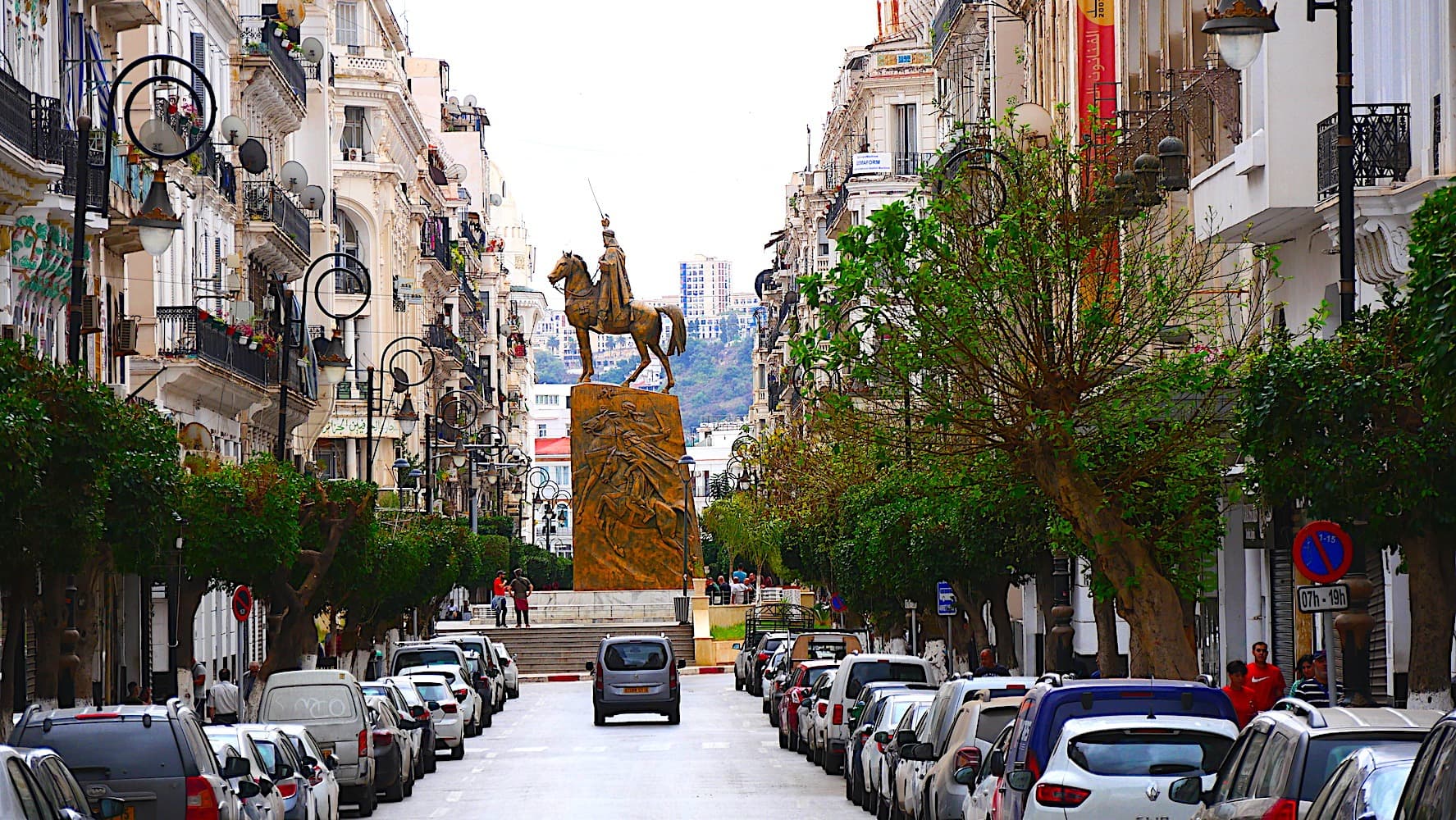
The Bardo and Unusual Algiers
Early morning departure from Oran Senia airport flight to Algiers. Arrival in Algiers, hotel check-in.
Visit to the Bardo Museum in the morning. The villa built on the heights of Algiers, whose patron was a wealthy exiled Tunisian, Mustapha Ben Omar, at the end of the 18th century to serve as a summer residence for welcoming notables of the time. In turn, the property passed through several owners, including Admiral Maurice Exelmans in 1830, General Valentin Auguste Lichtlin in 1846, officer and landscape painter artist Prosper Baccuet in 1851, Monsieur Grauby in 1868, and Madame Aziza Fao, daughter of Jewish merchant Joseph Cohen-Bacri in 1874. In 1875, the villa became the property of Ali Bey Bouakkaz, Agha of Biskra, then he resold it in 1879 to Monsieur Pierre Joret, the last occupant of the villa.
Upon his death, his sister, Madame Frémont, ceded the Bardo villa to the French state in 1926, which transformed it into a Museum of Ethnography and Indigenous Art. Inaugurated in 1930, on the occasion of the centenary of colonization, the museum became the Museum of Prehistory and Ethnography, whose founder and first curator was prehistorian Maurice Reygasse, then the National Bardo Museum in 1985, and classified the same year as a historical monument. Regarding the word Bardo, it would be a deformation derived from the Spanish name Prado, which means garden, place of pleasure. It would refer to the sumptuous palaces of the Hafsid sultans dating back to the 15th century, traces of which are found in the Tunisian suburbs.
Currently, the Bardo Museum houses an important collection of ethnography and African art.
Visit of the city center – unusual Algiers –, Didouche Mourad street, the market, craft shops up to the main post office, then Larbi Ben M'Hidi street - formerly Isly street - and Emir Abdelkader square.
Hiking walk along the waterfront.
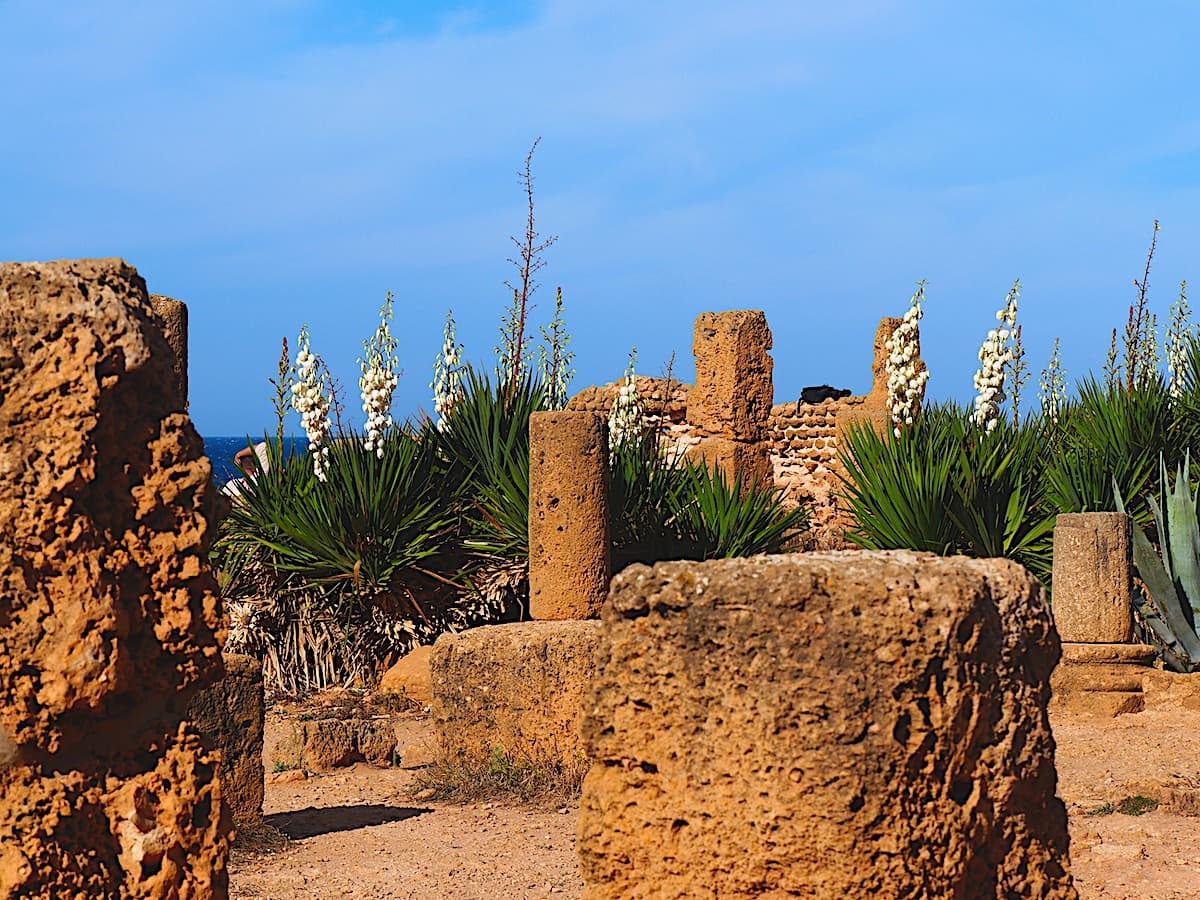
Tipaza the Ancient Through its First Century Roman Ruins
Early morning departure for a visit to the Roman ruins of the port of Tipaza city. Tipasa is located 70 km west of Algiers, founded by the Phoenicians around the 6th century B.C., its name meaning place of passage. This enchanting city experienced the passage of several civilizations which we can mention:
Roman Civilization: between 145 and 150 A.D. in the first century of the Christian era Tipasa became a Roman colony. Vandal Civilization: around the 5th century A.D. Byzantine Civilization: in the 11th century A.D. the Byzantines retook Tipasa. The city was surrounded by an enclosure of 2200 meters and 37 watchtowers. The percentage of excavations is between 35 and 40%.
The important monuments that visitors can discover: Amphitheatre, Temples, Villa or house, Theater, Thermal baths, Basilica, Forum, Tribunal, the Nympheum or Fountain and The commemorative Stele of Camus. I won't tell you more, I invite you to discover the beauty of this City rich in history and mysteries.
Afternoon visit to the tomb of Cleopatra Selene. The Royal Mausoleum of Mauritania, founded towards the end of the 1st century B.C., falsely called the "Tomb of the Christian Woman" by its 4 false doors decorated with 4 crosses. It is presumed that this is the tomb of Cleopatra Selene daughter of Queen Cleopatra of Egypt and wife of Juba II who was the king of Cherchell currently, known by the name of Caesarea at the time.
Algiers > International Flight
Practical Information
Registration is considered firm and final after payment of a deposit of 30% of the total price and acceptance of the specific terms of sale.
The balance must be paid no later than 45 days before the departure date.
See our specific terms of sale for full details.
In the event of cancellation by the traveller, the following fees apply:
- Plus de 60 jours avant le départ : 40 % du prix total (acompte retenu)
- Entre 60 et 30 jours avant le départ : 50 % du prix total
- Moins de 30 jours avant le départ : 100 % du prix total
We strongly recommend taking out cancellation insurance. See our specific terms of sale for full details.
The information below concerns travelers who are nationals of the European Economic Area (EEA), Switzerland, and Canada traveling to Algeria for a tourist stay. As entry rules may change, we recommend verifying this information with the official authorities before your departure.
Passport
To enter Algeria, your passport must be valid for at least six months after your date of entry into the country and have at least one blank page for immigration stamps.
The document must be in good condition (no damaged, torn, or altered pages).
Visa
Nationals of the European Economic Area, Switzerland, and Canada must be in possession of a valid visa to enter Algeria for a tourist stay. There is no visa exemption for these nationalities.
The visa must be obtained before departure, from the Algerian embassy or consulate responsible for your country of residence. It is recommended to apply several weeks in advance, as processing times may vary.
Documents generally required for a visa application include:
a valid passport with at least six months of remaining validity,
a completed and signed visa application form,
recent passport-sized photos complying with required standards,
a return flight ticket or booking,
proof of accommodation (hotel reservation or invitation),
proof of sufficient financial resources for the duration of your stay.
The authorized length of stay is generally 30 days, depending on the conditions mentioned on the visa issued.
Travel with children
Minors must be holders of their own valid passport covering the duration of their stay.
In some European countries, when a minor travels without one of their parents, an authorization to exit the territory may be required according to the regulations of their country of residence.
Health
No vaccination is officially required to enter Algeria for nationals of the EEA, Switzerland, and Canada. However, it is recommended to consult a doctor or vaccination center before departure and to ensure that basic vaccinations are up to date (diphtheria, tetanus, poliomyelitis, hepatitis A).
It is also advisable to take out international health insurance covering medical expenses and repatriation for the entire duration of your stay.
Other nationalities
Entry conditions may vary depending on nationality. Travelers concerned should inquire at the Algerian embassy or consulate of their country of residence.
To participate in our trips, it is strongly advised to have assistance-repatriation and foreign medical expenses insurance.
Your local agency encourages you to familiarize yourself with the specific policy developed with our partner CHAPKA ASSURANCES and AXA ASSISTANCE.
To subscribe to insurance, learn about coverage and rates, follow the link below.
CAP EXPLORER: The complete insurance solution designed for a worry-free trip!
Choose the plan that best suits you:
Explorer'Multirisque
Explorer'Annulation
Explorer'Assistance
Explorer' Complementary Credit Card
Specific to our trips, we strongly recommend subscribing to them.
If you choose to subscribe to one of these plans, the policy detailing all coverage and claims declaration procedures are available on the insurer's website.
Your local agency will be aware of this, but only the participant is responsible for complying with the claims declaration procedures. The participant must therefore keep this policy with them throughout their trip.
Chapka — Cap Explorer
Our insurance partnerTravel with peace of mind with our partner Chapka. Cancellation, repatriation, medical expenses, baggage… All the coverage for a worry-free trip.
Travel with peace of mind — I'll handle the insuranceFrequently asked questions
A tourist visa is required and must be requested from the consulate (consular fees apply, processing time 2-3 weeks). An invitation letter or accommodation certificate is required. Your passport must be valid for at least 6 months beyond your planned entry date. Conditions can be stringent. We strongly recommend verifying the rules applicable to your nationality with the Algerian consular authorities before booking your trip.
Go to the My Trips section to find all your projects.
You can send a message to your host directly from the Tea Lounge.
For a tailor-made quality trip, budget between 140 and 240 euros per day and per person, including accommodation, meals, internal transfers and English-speaking guide. International flights (350-700 euros return) are additional. The Algerian Sahara (Tassili, Hoggar) requires a specific budget.
Your documents are accessible in the Documents tab of your trip.
Absolutely. We adapt each itinerary to match your travel profile. For families, we prioritize relaxed paces, family-friendly accommodations, engaging and educational activities, and comfortable private transfers. Our local English-speaking guides know how to captivate children with age-appropriate stories and anecdotes.
It's simple. You exchange with our local team to define your wishes, budget and dates. You receive a detailed itinerary proposal within 48 hours. You refine every detail together until you have the perfect version. You confirm and set off with peace of mind. Your local agency remains available 7 days a week throughout your trip.
In case of emergency, contact your local agency immediately.
Payment is generally made in two installments.
Our agency is part of the Nomadays network, registered in France. You benefit from APST guarantee (Professional Association of Tourism Solidarity) which covers 100% of your funds. Secure payment, repatriation insurance included, and English-speaking assistance 24/7 on site throughout your stay.
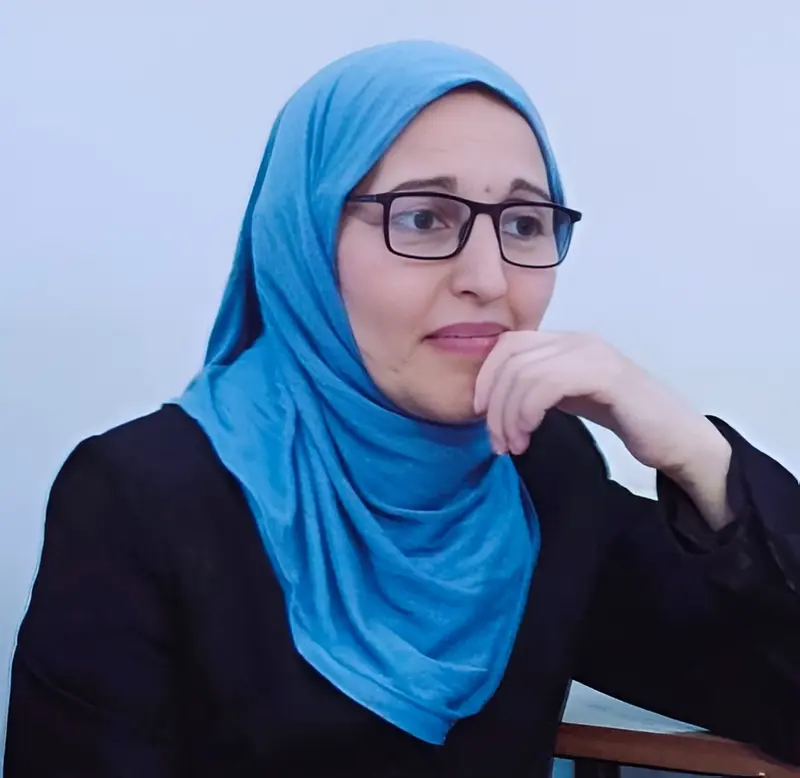
Let's talk about your adventure — Great Saharan South
Pioneer of Algeria's great deserts, based in Ghardaïa / M'zab (puis Alger à partir de 2006)
The desert is not crossed with an itinerary alone. It demands listening, respect, and a certain inner availability.
— Louiza